
Choosing the Right Film for Tire Wrapping: Materials and Benefits
Film selection is one of the most critical decisions in any tire packing operation. The wrong choice leads to wasted material, poor seals, and product damage in transit. The right choice protects tires, reduces cost per unit, and keeps production lines moving efficiently. This guide breaks down the most common film types, their properties, and how to match them to your packaging goals.
Why Does Film Type Matter for a Tire Wrapping Machine?
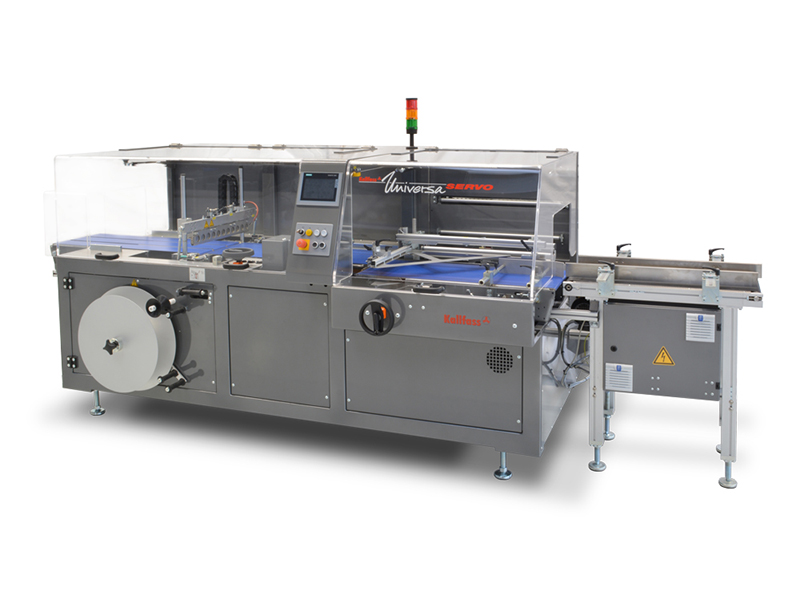
Tires are heavy, irregular in shape, and abrasive on film surfaces. Not all shrink films are built to handle these demands. A tire wrapping machine must work in sync with the film to deliver consistent tension, clean seals, and a finished package that holds through warehousing and shipping. Selecting the right film reduces machine downtime, minimizes film breaks, and ensures each tire arrives at its destination in clean, retail-ready condition.
People Also Ask
What film is best for a tire wrapping machine?
PE suits heavy car and truck tires for puncture resistance. POF works for motorcycle and bicycle tires needing clarity. The right choice depends on tire weight, storage conditions, and line speed.
Does film gauge affect tire packing machine performance?
Yes. Thinner gauges suit lightweight tires; thicker gauges handle heavier ones. A calibrated tire packing machine adjusts tension automatically across gauges without manual intervention.
What Are the Main Film Options for Tire Packing?
Two film types dominate tire packing applications: polyolefin (POF) and polyethylene (PE). Each has distinct performance characteristics.
- Polyolefin (POF): Thin, crystal-clear film with a high-gloss finish. It shrinks evenly under heat and produces tight, professional-looking packages. POF is ideal for motorcycle and bicycle tires where retail presentation matters. It runs cleanly on servo-controlled machines and is compatible with most standard shrink tunnels.
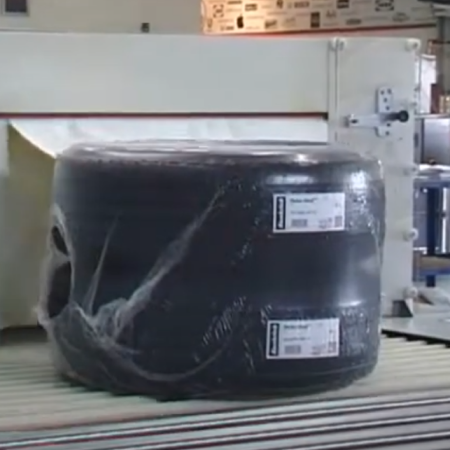
- Polyethylene (PE): A thicker, more durable film suited for heavy-duty applications. PE offers superior puncture resistance and moisture protection. It is the preferred choice for passenger car and truck tires that face rough handling during storage and distribution. PE films hold up well in outdoor and warehouse environments.
How Do You Match Film Gauge to Tire Type?
Film gauge — measured in microns — determines strength and material cost. Lightweight tires like bicycle and motorcycle models typically perform well with thinner gauges in the 12–19 micron range. Heavier passenger and commercial tires demand thicker gauges, often 50 microns and above, to prevent tears during handling. Matching gauge to application prevents over-packaging costs while maintaining protection standards. A well-calibrated tire packing machine adjusts film tension automatically to accommodate different gauge selections without manual intervention.
What Role Does Film Width Play in Tire Wrapping?
Film width determines how completely a tire is covered during the wrap cycle. Tires vary significantly in diameter and section width. A tire wrapping machine must accommodate this variation without stopping the line for manual adjustments. Systems with quick-changeover capabilities allow operators to switch between tire sizes efficiently. Proper film width also affects seal quality — too narrow a film creates weak edge seals, while excess width increases material waste and can cause bunching near the bead area.
Which Film Properties Offer the Most Protection in Storage and Transit?
Beyond thickness, several film properties directly impact storage and transit performance. Key factors to evaluate include:
- Moisture barrier: Prevents rubber degradation and surface staining, especially in humid distribution environments.
- UV resistance: Protects tires stored near windows or in partially outdoor facilities from surface cracking.
- Cling and seal integrity: Ensures the wrapped package stays tight through stacking and pallet movement.
- Anti-static options: Reduces dust attraction during long-term storage, keeping tires cleaner for retail display.
Can Eco-Friendly Films Work in High-Volume Tire Wrapping?
Sustainability is a growing concern across manufacturing. Recyclable and bio-based shrink films are entering the market as alternatives to standard PE and POF. These films are thinner per unit of strength, which reduces material consumption by 10–15% compared to older film generations. Modern servo-controlled packaging systems run these eco-friendly films without sacrificing seal quality or line speed. Choosing sustainable film is no longer a trade-off — it is a practical upgrade for tire manufacturers looking to reduce waste without compromising performance.
How Does Machine Compatibility Affect Film Performance?
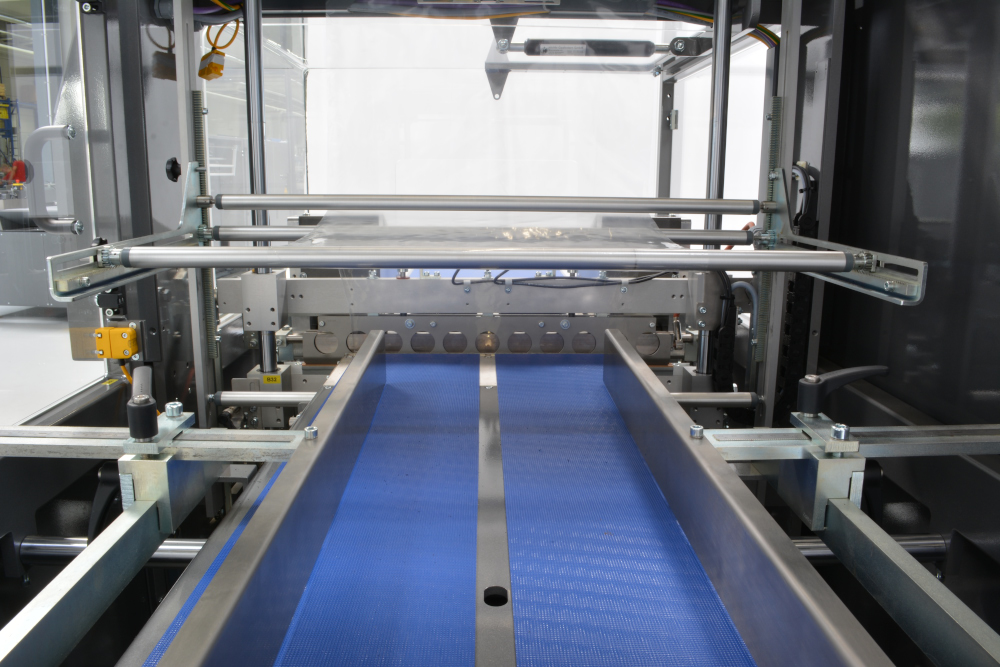
Even the best film underperforms on the wrong machine. Servo-controlled systems apply precise, consistent film tension across the entire wrap cycle. This prevents common issues like film tearing, uneven shrinkage, and weak seal zones. Machines that require no compressed air run cleaner and maintain more consistent heat distribution through the shrink tunnel. Film performance is always a combination of material quality and machine precision — both must be matched for reliable results in tire wrapping operations.
Ready to Optimize Your Tire Packaging Line?
Film selection and machine performance go hand in hand. At Complete Packaging Solutions & Systems Inc./Kallfass USA, our automated tire shrink packing systems run all major film types from standard PE to eco-friendly alternatives without field programming or manual tension adjustments. Our servo-controlled equipment delivers 98.5%+ uptime, up to 15% film savings, and fast changeover for mixed production runs. Whether you are packaging passenger car tires, motorcycle tires, or commercial truck tires, we help you match the right film to the right machine for consistent, high-quality results on every shift.
Contact Complete Packaging Solutions & Systems Inc./Kallfass USA today to discuss your tire wrapping requirements and find the right solution for your operation.