
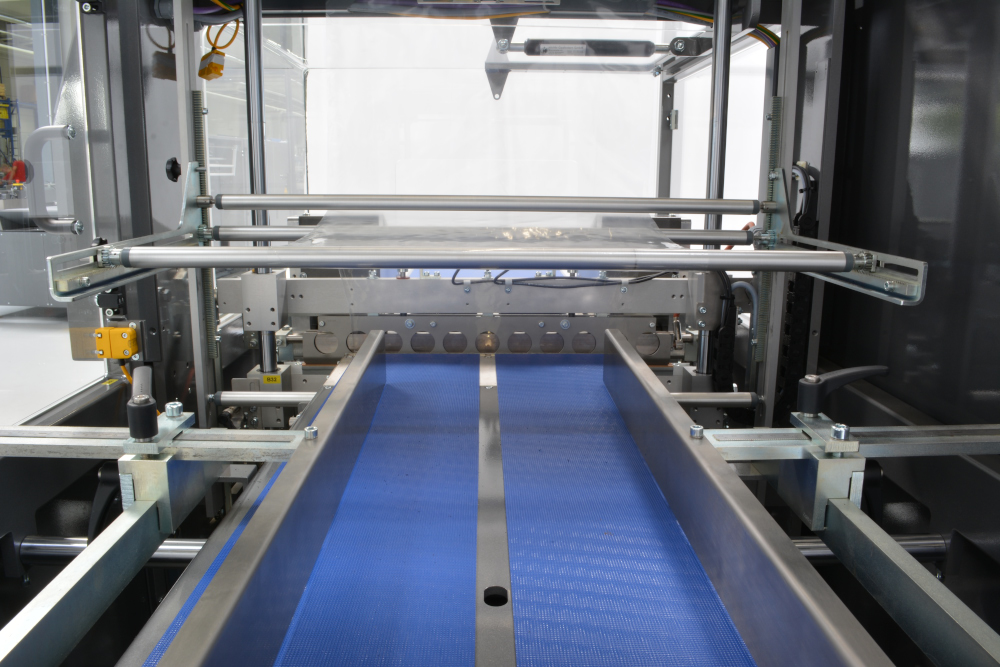
Shrink Wrap Machine Production Capacity: How Much Output Do You Really Need?
Manufacturing operations depend on reliable packaging systems to maintain product flow. Packaging equipment must match production demand without creating bottlenecks. A shrink wrap machine’s capacity determines how efficiently products move from the production line to distribution.
Production capacity refers to the number of units packaged per minute or hour. Selecting the right system ensures consistent output while minimizing downtime. If the machine runs slower than the production line, products accumulate. This leads to delays, higher labor involvement, and reduced operational efficiency.
An automatic shrink packaging machine solves this challenge by synchronizing packaging speed with upstream production. These systems use automated sealing and shrinking technology to wrap products quickly and consistently.
High-performance packaging machines are especially valuable for manufacturers handling large product volumes. Industries such as food processing, cosmetics, pharmaceuticals, and printing rely on automated packaging to maintain productivity. Contract packaging companies also benefit from systems capable of handling multiple product types and varying output demands.
Choosing the correct production capacity ensures stable packaging operations and long-term equipment performance.
What Factors Influence Shrink Wrap Machine Production Capacity?
Production capacity depends on several operational and technical variables. Each factor influences how quickly products move through the packaging process.
Modern packaging lines combine sealing, conveying, and heat-shrinking stages. Every component must operate at compatible speeds.
Several key elements affect the capacity of an automatic shrink packaging machine:
- Product size and shape – Larger items require longer sealing and shrinking cycles.
- Film type and thickness – Different films shrink at different speeds.
- Machine configuration – Continuous motion machines typically run faster than intermittent systems.
- Packaging layout – Conveyor length and tunnel size influence overall speed.
- Operator workflow – Smooth product loading improves packaging throughput.
When these elements work together efficiently, manufacturers achieve higher production rates without sacrificing packaging quality.
Automated packaging systems eliminate manual handling and maintain consistent sealing results. As a result, manufacturers can increase production capacity while maintaining product protection.
How Does Automation Improve Packaging Output?
Automation plays a significant role in increasing packaging productivity. Manual packaging systems require constant human involvement and often slow down during high production periods.
An automatic shrink wrapper streamlines the packaging process through motion-controlled automation. The machine performs sealing, film handling, and product transfer without operator intervention.
Automated machines also provide consistent packaging quality. Products receive uniform seals and precise shrink wrapping during each cycle.
Automation improves output in several ways:
- Faster packaging cycles
- Reduced labor involvement
- Consistent sealing and film shrink performance
- Smooth integration with automated production lines
Manufacturers that rely on automated shrink wrapping equipment often see a significant increase in packaging speed.
Automation also supports continuous production environments. Machines designed for industrial operations maintain high uptime and consistent packaging output throughout long production shifts.
What Production Speeds Do Modern Shrink Wrap Machines Achieve?
Production speed varies depending on machine type and packaging configuration. Entry-level machines handle moderate output levels, while industrial systems operate at very high speeds.
High-performance shrink wrapping systems used in manufacturing environments can package dozens or even hundreds of products per minute. These systems rely on advanced motion control technology and optimized conveyor systems.
Modern machines designed for industrial operations also eliminate unnecessary mechanical complexity. For example, systems that do not require compressed air reduce maintenance and improve efficiency.
An automatic sleeve wrapping machine is often used when manufacturers need to bundle multiple products together. These machines package items such as beverage containers, boxed goods, or printed materials into secure bundles.
Because sleeve wrappers focus on bundling rather than individual packaging, they can achieve very high production speeds. Many high-output operations rely on sleeve wrapping technology to meet distribution demand.
When paired with high-efficiency shrink tunnels, these machines deliver consistent results across large production volumes.
How Can Businesses Determine The Right Production Capacity?
Selecting the right packaging capacity requires evaluating production goals and operational requirements. A packaging machine must support current demand while allowing room for future growth.
Manufacturers should analyze several key considerations before selecting equipment.
Important evaluation points include:
- Current production volume – Determine how many products are packaged per hour.
- Future expansion plans – Choose equipment that can handle higher output later.
- Product variety – Machines should support multiple package sizes and shapes.
- Packaging material compatibility – Systems should run different shrink films without adjustments.
Businesses that consider these factors can select packaging systems that match operational needs without overinvesting in unnecessary capacity.
Proper planning also prevents equipment from becoming outdated as production increases.
How Do High-End Shrink Wrap Machines Improve Efficiency?
Advanced packaging machines incorporate technologies designed to improve performance and reduce operational costs.
High-end systems often include motion control technology that synchronizes machine components with precision. This ensures smooth product flow and accurate sealing.
Another important innovation is energy regeneration. Machines equipped with regenerative systems capture unused energy and reuse it during operation. This improves energy efficiency while reducing operating costs.
Many modern packaging machines also run all shrink films equally well. Film versatility allows manufacturers to switch packaging materials without extensive adjustments.
These advanced capabilities make automated packaging systems valuable for high-output operations.
Businesses benefit from:
- Increased packaging speed
- Lower material waste
- Consistent packaging quality
- Reduced machine maintenance
Manufacturers seeking high reliability often choose industrial-grade equipment designed for continuous operation.
What Role Do Shrink Tunnels Play In Production Capacity?
Shrink tunnels play a critical role in the packaging process. After sealing, products pass through the tunnel where heat shrinks the film tightly around the product.
The efficiency of the shrink tunnel directly affects production speed. A well-designed tunnel maintains consistent airflow and heat distribution.
Advanced shrink tunnels use optimized heating systems that reduce energy consumption while maintaining uniform shrink performance.
Efficient tunnels also allow products to move smoothly through the packaging line without slowing the process.
When combined with an automatic shrink packaging machine, the shrink tunnel completes the packaging process with professional results.
Products emerge with tightly wrapped film that protects them from dust, moisture, and handling damage during transportation.
Also Read :
Why Choose Automatic Over Manual or Semi-Automatic Shrink Wrappers?
How Do Shrink Wrap Machines Improve Warehouse Safety and Efficiency?
How Do Integrated Packaging Lines Improve Production Flow?
Packaging systems operate most efficiently when all equipment works together as part of an integrated production line.
Automated packaging lines combine several components:
- Product conveyors
- Side sealing machines
- Shrink tunnels
- Cooling conveyors
Each component contributes to maintaining steady product movement through the packaging process.
Integrated systems reduce the need for manual product transfer between machines. This prevents bottlenecks and improves packaging speed.
A well-designed packaging line ensures products move smoothly from production to final packaging without interruptions.
Manufacturers that invest in integrated packaging systems often achieve higher productivity and lower labor requirements.
How Do Kallfass Machines Support High-Output Packaging Operations?
Manufacturers searching for reliable packaging solutions often prioritize durability, precision, and long-term performance.
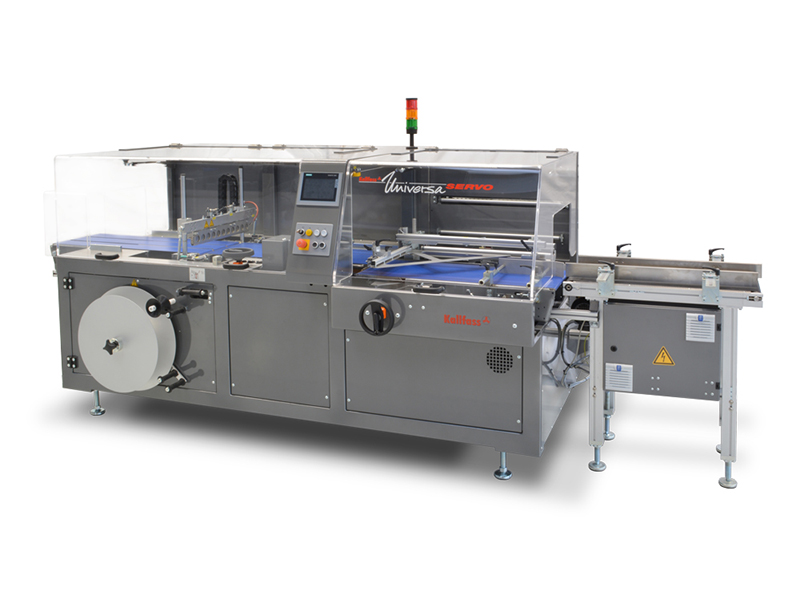
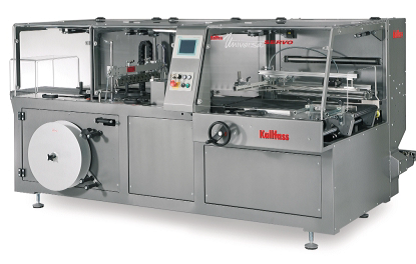
Complete Packaging Solutions & Systems Inc. / Kallfass USA provides high-end shrink wrapping systems engineered for demanding manufacturing environments.
These machines serve industries such as food production, bakery operations, wood products, cosmetics, pharmaceuticals, and printing.
Kallfass equipment is designed with advanced motion control technology that ensures smooth packaging cycles. The systems do not require compressed air and incorporate energy regeneration technology.
These innovations improve machine efficiency and reduce operating costs.
Kallfass machines also offer several operational advantages:
- Film versatility with smooth switching between materials
- Consistent packaging performance across multiple product sizes
- Easy installation with plug-and-play integration
- High uptime exceeding 98.5 percent
Manufacturers benefit from reliable packaging equipment that supports continuous production operations.
The machines also eliminate spacing issues and improve packaging precision. This helps companies reduce film waste and improve packaging efficiency.
Building A Packaging Strategy That Supports Production Growth
Packaging equipment plays a central role in modern manufacturing operations. Businesses must ensure that packaging capacity aligns with production demand.
Selecting the right automatic shrink packaging machine allows manufacturers to maintain steady output while improving packaging consistency.
Automated packaging solutions reduce labor involvement and support higher production speeds. Systems such as an automatic shrink wrapper or an automatic sleeve wrapping machine enable manufacturers to package products efficiently across multiple industries.
Companies investing in high-performance shrink wrapping equipment benefit from greater reliability and long-term operational efficiency.
Businesses seeking advanced packaging automation can rely on proven engineering solutions designed for demanding production environments.
Complete Packaging Solutions & Systems Inc. / Kallfass USA delivers precision-engineered shrink wrap systems that combine speed, durability, and packaging performance.