

Can Shrink Tunnels Be Integrated Into Fully Automated Packaging Lines?
Modern packaging operations demand speed, precision, and seamless integration. Heat shrink tunnels have evolved from standalone units into sophisticated components of fully automated systems. Understanding how these machines fit into automated workflows helps businesses maximize efficiency and reduce operational costs.
What Makes Heat Shrink Tunnels Suitable for Automation?
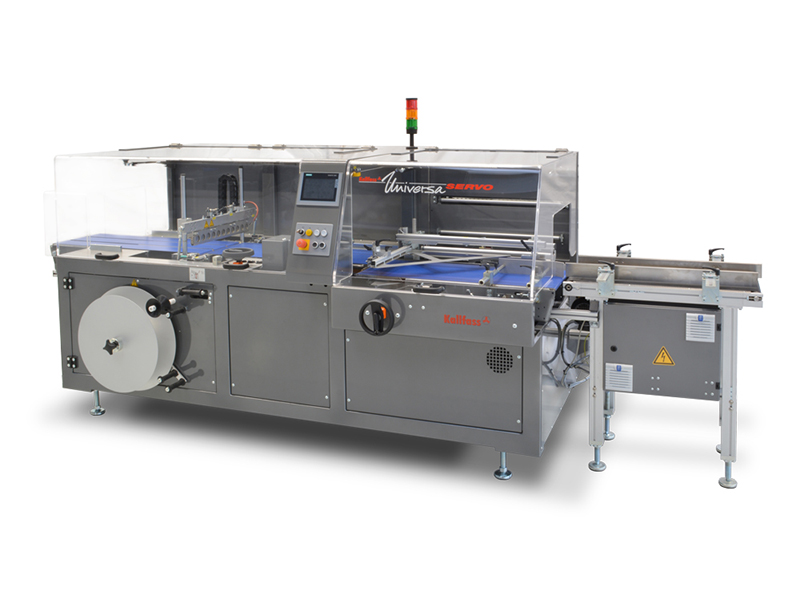
Heat shrink tunnels are engineered specifically for integration into continuous production environments. These machines process shrink film automatically as products move through on conveyor systems. The tunnel wrapper applies controlled heat to shrink film tightly around products without manual intervention.
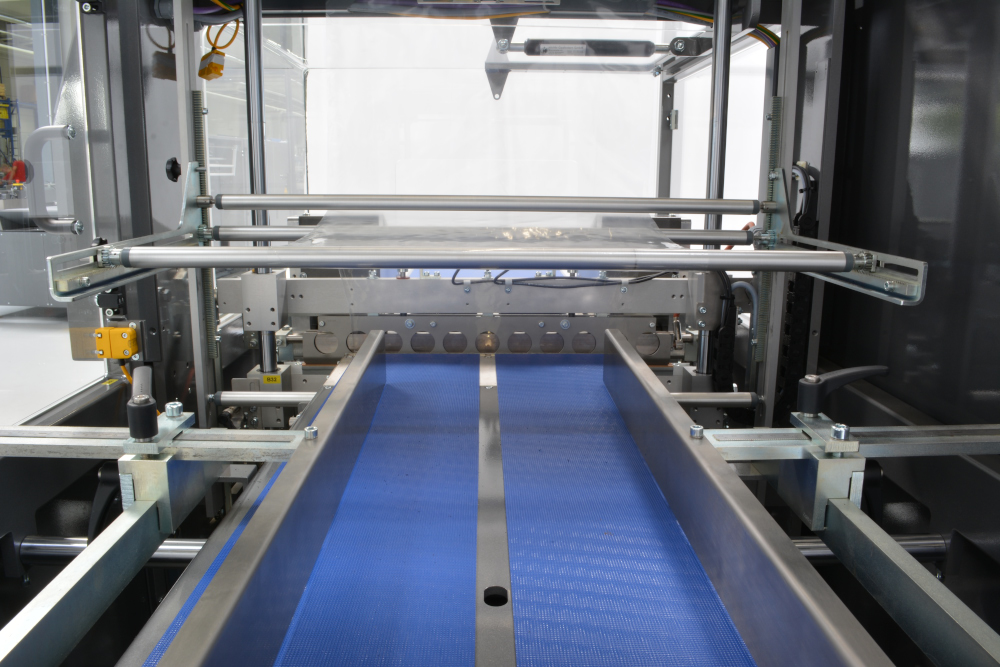
Today’s heat tunnel machines feature advanced control systems that communicate with upstream and downstream equipment. Temperature sensors, speed controls, and adjustable conveyor systems ensure consistent results. This technology allows manufacturers to maintain precise shrink parameters across thousands of products daily.
Energy-efficient designs minimize power consumption while delivering professional packaging results. Modern units incorporate intelligent heating systems that reduce warm-up times and maintain optimal operating temperatures. These features make heat shrink tunnel machines ideal for high-volume production lines requiring reliability and consistency.
How Do Shrink Tunnel Machines Connect With Other Equipment?
Integration begins with proper synchronization between the shrink tunnel machine and adjacent packaging equipment. Side sealers, bundlers, and wrapping machines coordinate timing to prevent bottlenecks. Conveyor speeds adjust automatically to match production rates throughout the line.
Communication protocols enable real-time data exchange between machines. When upstream equipment slows or stops, the heat tunnel for shrink sleeves adjusts accordingly. This prevents film waste and ensures products enter the tunnel at optimal spacing intervals.
Manufacturers benefit from modular designs that accommodate various product sizes. Quick-changeover features allow operators to switch between different packaging formats rapidly. The flexibility supports diverse production schedules without compromising automation benefits.
People Also Ask
What is the biggest mistake when operating a shrink wrap sealer?
Choosing the wrong machine type for your production volume. Selecting intermittent sealers for high-volume operations requiring continuous motion technology creates production bottlenecks and lost revenue.
How often should shrink wrap sealer maintenance be performed?
Daily cleaning of sealing bars, weekly conveyor inspections, and monthly temperature sensor checks. Regular maintenance prevents costly downtime and extends equipment lifespan.
What Are the Key Components of an Automated Packaging System?
Essential integration elements include:
- Continuous motion conveyors that maintain consistent product flow
- Programmable logic controllers coordinate multiple machines simultaneously
- Sensors detecting product presence and position for precise timing
- Variable speed drives matching throughput across all equipment
- Safety interlocks protect operators and prevent equipment damage
Performance monitoring features:
- Real-time production counters track output efficiency
- Temperature monitoring, ensuring optimal shrink parameters
- Diagnostic systems identifying maintenance requirements proactively
- Remote access capabilities for troubleshooting and adjustments
Which Industries Benefit Most From Automated Heat Tunnel Systems?
Food and beverage manufacturers rely on automated heat tunnel machines to package products ranging from bottled drinks to fresh produce. The pharmaceutical industry uses these systems for tamper-evident packaging that meets strict regulatory requirements. Contract packagers serve multiple clients efficiently by rapidly switching between product types on integrated lines.
Print and paper companies bundle promotional materials and publications using automated shrink systems. Wood and furniture manufacturers protect products during shipping with integrated wrapping solutions. E-commerce operations process high volumes of varied products through flexible automated packaging lines.
What Technical Considerations Affect Integration Success?
Space requirements influence layout planning for integrated packaging lines. Heat tunnels come in various sizes to accommodate different facility configurations. Manufacturers must evaluate floor space, ceiling height, and accessibility for maintenance when designing automated systems.
Power requirements vary based on tunnel size and heating technology. Facilities need adequate electrical capacity to support continuous operation without overloading circuits. Energy regeneration technology in advanced systems reduces overall power consumption while maintaining performance standards.
Film compatibility affects shrink quality and production efficiency. Modern machines handle multiple film types without requiring programming changes. This versatility allows manufacturers to select films based on product protection needs rather than equipment limitations.
How Does Automation Improve Packaging Quality and Consistency?
Automated systems eliminate human error that occurs with manual packaging operations. Every product receives identical treatment as it passes through the heat shrink tunnels. Temperature consistency across the heating chamber ensures uniform shrink results regardless of product position on the conveyor.
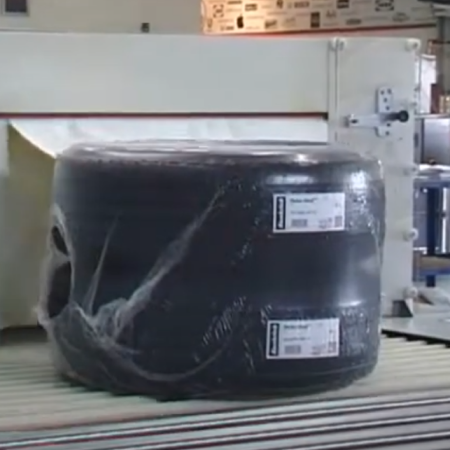
Precise speed control prevents common packaging defects like wrinkles, burns, or incomplete shrinking. The automated tunnel wrapper maintains optimal dwell time for each product type. This consistency reduces waste from rejected packages and improves overall production yield.
Quality control systems can integrate with heat tunnel equipment to verify packaging integrity. Vision systems inspect shrink film applications before products leave the production line. Defective packages are automatically rejected, maintaining high quality standards throughout production runs.
What Maintenance Requirements Support Automated Operations?
Regular maintenance schedules keep integrated packaging lines running at peak efficiency. Heat tunnel machines require periodic inspection of heating elements, conveyor belts, and control systems. Preventive maintenance programs minimize unplanned downtime that disrupts production schedules.
Advanced diagnostic systems alert operators to potential issues before failures occur. Predictive maintenance capabilities analyze performance data to schedule service during planned downtime periods. This proactive approach maximizes equipment availability and extends machine lifespan.
Spare parts availability is critical for maintaining automated systems. Manufacturers should stock commonly replaced components to minimize repair times. Quick-access panels and modular designs simplify maintenance procedures, reducing the technical expertise required for routine service.
Partner With Packaging Automation Experts
Complete Packaging Solutions & Systems Inc./Kallfass USA deliver cutting-edge heat shrink tunnels engineered for seamless integration into fully automated packaging lines. Our high-performance systems feature motion control technology, energy regeneration, and achieve 98.5%+ uptime across food, pharmaceutical, printing, and industrial applications. With no compressed air requirements, easy film switching, and machines that run all film types equally, we eliminate spacing issues while saving 10-15% on materials. Contact our packaging automation specialists today to design a custom solution that prioritizes performance, durability, and precision without compromise.