How Do You Choose Between Retro-Fitting Or Buying A New Shrink-Wrap Machine?
Every packaging operation eventually reaches a crossroads. As shrink-wrap equipment begins to age, maintenance costs rise, and production bottlenecks occur more frequently. The challenge isn’t deciding whether to make a change—it’s determining which option makes the most business sense. Should the existing system be retrofitted, or is it time to invest in new automatic shrink wrap machines?
This decision affects your bottom line, production efficiency, and competitive position. Making the wrong choice can mean wasted capital, ongoing downtime, and missed opportunities. Let’s break down the critical factors that should guide your decision.
What Are The Real Costs Of Retro-Fitting Your Current Equipment?
Retro-fitting might seem like the budget-friendly option at first glance. You’re working with familiar equipment and avoiding the sticker shock of new machinery. However, the true cost picture is more complex than it appears.
Modern automatic shrink packaging machine technology has advanced significantly. Older equipment often lacks energy-efficient features, runs on compressed air systems, and requires constant adjustments. When you retrofit, you’re essentially putting new components onto an outdated foundation. The frame, conveyor systems, and basic architecture remain from a previous generation of technology.
Consider the ongoing expenses. Retrofitted machines typically require more frequent maintenance visits. Parts may become harder to source as manufacturers discontinue support for older models. Your team spends valuable time troubleshooting issues instead of focusing on production. These hidden costs accumulate quickly and can exceed the initial savings within a few years.
How Does New Equipment Impact Your Production Efficiency?
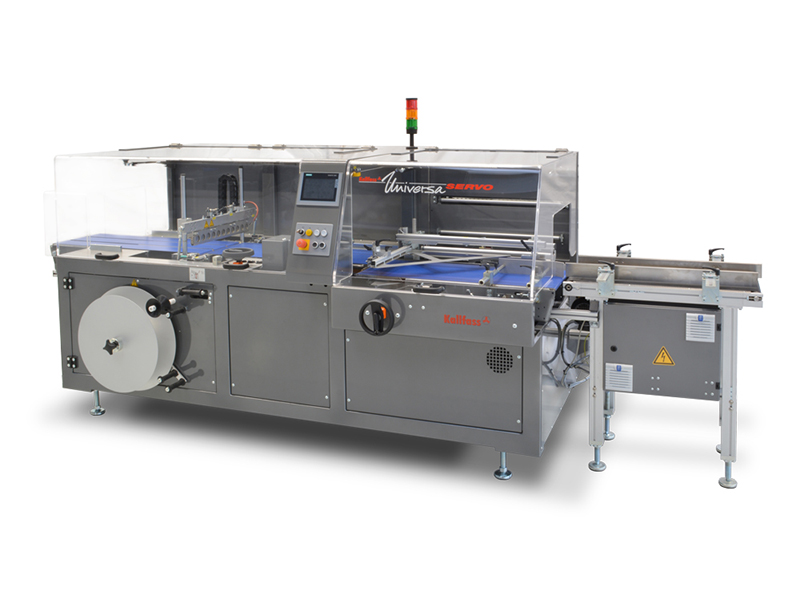
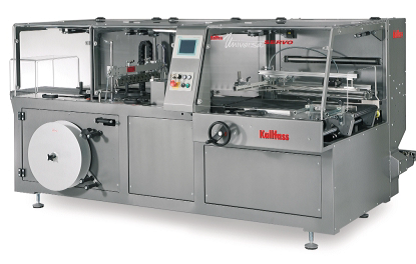
Investing in new shrink wrap machines transforms your packaging operation in ways that retrofitting simply cannot match. Modern automatic shrink wrapper systems deliver measurable improvements across multiple performance metrics.
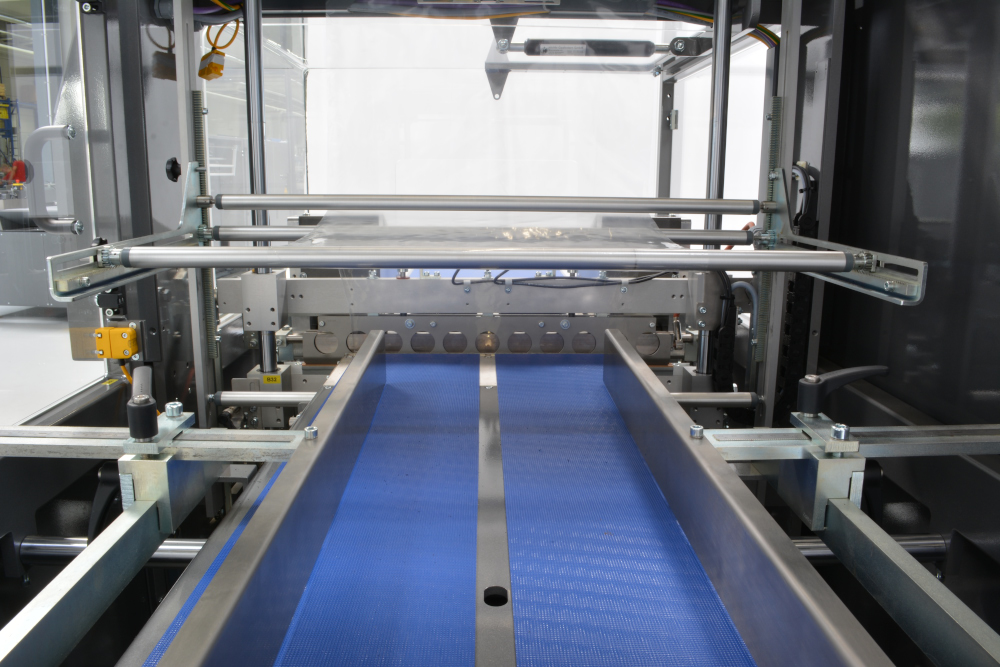
Today’s advanced machines feature motion control technology that ensures consistent sealing and cutting. They eliminate the spacing issues that plague older equipment, reducing waste and rework. Film switching becomes a simple, tool-free process instead of a time-consuming adjustment requiring specialized knowledge.
Key Performance Advantages:
- Uptime rates exceeding 98.5% versus industry averages of 85-90%
- Film savings of 10-15% through optimized heat distribution and precision control
- No compressed air requirements, reducing energy costs and maintenance
- Energy regeneration systems that capture and reuse heat from every cycle
New equipment also runs all film types equally well. Whether you’re packaging with polyolefin, polyethylene, or specialty films, the machine adapts without extensive reconfiguration. This flexibility becomes crucial as your product lines evolve or customer requirements change.
What Long-Term Factors Should Influence Your Decision?
The retrofit-versus-new decision extends beyond immediate costs and capabilities. Your choice sets the trajectory for your packaging operation over the next decade or more.
Think about your growth plans. If you’re expanding production capacity, entering new markets, or diversifying product lines, new equipment provides the scalability you need. Retrofitted machines lock you into the limitations of their original design, even with upgraded components.
Technology integration matters increasingly in modern manufacturing. New automatic shrink wrap machines connect seamlessly with plant management systems, providing real-time data on performance, maintenance needs, and quality metrics. This connectivity enables predictive maintenance and continuous optimization—capabilities that retrofitting rarely delivers effectively.
Labor considerations also play a significant role. Modern machines require minimal operator intervention and no field programming. Your team can focus on value-added activities instead of constantly adjusting and troubleshooting equipment. Training new operators becomes faster and simpler when machines are intuitive and user-friendly.
When Does Retro-Fitting Make Strategic Sense?
Retro-fitting isn’t always the wrong answer. Certain situations make it a viable option worth serious consideration.
If your current machine is relatively recent but needs specific upgrades—such as improved safety features or minor automation enhancements—retrofitting may deliver the required improvements cost-effectively. When you have specialized custom configurations that would be expensive to replicate in new equipment, updating existing machinery can preserve those unique capabilities.
Companies with limited immediate capital but stable production requirements might use retrofitting as a bridge strategy. This approach provides temporary improvements while you plan for eventual equipment replacement as budgets allow.
What Questions Should You Ask Equipment Suppliers?
Whether you’re considering retrofits or new purchases, asking the right questions helps you make an informed decision. Quality suppliers should provide detailed answers backed by data and customer references.
Critical Questions To Ask:
- What specific performance improvements can you document with data?
- How does total cost of ownership compare over five and ten-year periods?
- What is the expected uptime percentage, and how do you support it?
- How quickly can you deliver replacement parts, and what is local inventory availability?
- What training and support do you provide during implementation and beyond?
Reputable manufacturers stand behind their equipment with comprehensive warranties and responsive service. They understand that selling machines is just the beginning of a long-term partnership.
Also Read :
How to Maintain Peak Performance in Automatic Shrink Wrapping Machines
Making The Right Choice For Your Operation
The retrofit-versus-new decision ultimately depends on your specific circumstances, but the trend in high-performance packaging operations is clear. Companies prioritizing efficiency, reliability, and competitive advantage increasingly choose new equipment over retrofitting older technology.
Calculate your total cost of ownership honestly. Factor in energy consumption, maintenance frequency, operator time, downtime costs, and material waste. Include the opportunity cost of capabilities you’re missing with outdated equipment.
Modern automatic shrink wrap machines deliver immediate performance improvements and position your operation for future growth. The initial investment typically pays for itself through reduced operating costs, increased throughput, and improved product quality.
Partner With North America’s Leading Shrink-Wrap Technology Experts
At Complete Packaging Solutions & Systems Inc. / Kallfass USA, we specialize in precision-engineered shrink-wrap solutions that redefine packaging efficiency. Our automatic shrink wrap machines feature cutting-edge motion control technology, seamless film versatility, and energy regeneration every cycle—delivering up to 15% film savings and 98.5%+ uptime.
We serve top manufacturers in food, bakery, wood, cosmetics, pharmaceuticals, and printing with systems built for speed, durability, and serious performance. Our advanced equipment requires no compressed air, no field programming, and integrates plug-and-play into your operation.
Kallfass machines are the first choice for companies that demand premium industrial shrink wrapping—not budget shortcuts. Contact us today to discuss whether retrofitting or new equipment is right for your operation, and discover how our technology can transform your packaging efficiency.