

How Frame & Design Influence Shrink Bundling Machine Performance
When evaluating packaging equipment, most businesses examine speed specifications and price tags. However, the structural engineering beneath these surface features determines whether your investment delivers long-term value or becomes a costly liability. The frame and design architecture of a bundler machine directly influence production uptime, seal quality, and operational costs. Understanding these mechanical fundamentals empowers you to select equipment that performs reliably for years.
Why Does Structural Engineering Matter in Bundling Equipment?
The foundation of any industrial packaging system determines its longevity and reliability. A poorly engineered frame creates cascading problems throughout the machine’s lifecycle. Vibration during high-speed operation causes component misalignment. Flexing under load leads to inconsistent sealing pressure. Weak structural points accelerate wear on critical parts.
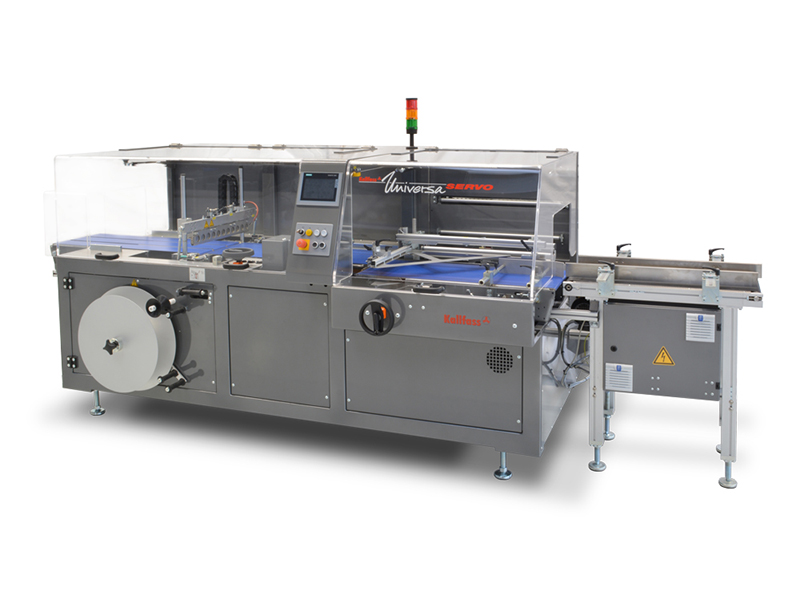
Complete Packaging Solutions & Systems Inc. / Kallfass USA builds shrink bundling machines on precision-welded steel frames designed for three-shift manufacturing environments. The rigid construction maintains tolerances even after millions of cycles. This engineering approach eliminates the calibration drift common in lighter-duty equipment. For contract packagers running diverse products, structural stability ensures consistent results across different package sizes and film types.
Frame geometry also affects how forces transfer through the machine during operation. Well-designed systems distribute stress evenly across the structure. This prevents fatigue failure at connection points and extends component lifespan. Reinforced seal bar mounting assemblies maintain perfect alignment between heating elements and sealing surfaces. The result is uniform heat distribution and professional-quality seals on every package.
People Also Ask
What makes a bundler machine frame important for packaging quality?
A rigid frame prevents vibration and misalignment, ensuring consistent sealing pressure and uniform heat distribution for reliable package quality.
How does frame design affect energy efficiency in shrink bundling machines? Sealed frames retain heat and reduce power consumption by 30%. They eliminate compressed air needs and capture waste heat for reuse.
What Impact Does Frame Design Have on Sealing Consistency?
Seal quality separates professional packaging from amateur results. Inconsistent seals create customer complaints, product returns, and potential safety issues. The frame design of your automatic bundling machine determines whether you achieve reliable seal integrity or struggle with constant quality problems.
Rigid frames prevent deflection during the sealing cycle. When seal bars compress film around products, significant force concentrates at the sealing point. Lightweight frames flex under this pressure, creating uneven contact between heating elements and film. Some areas receive excessive heat while others remain inadequately sealed. This produces weak spots that fail during shipping or storage.
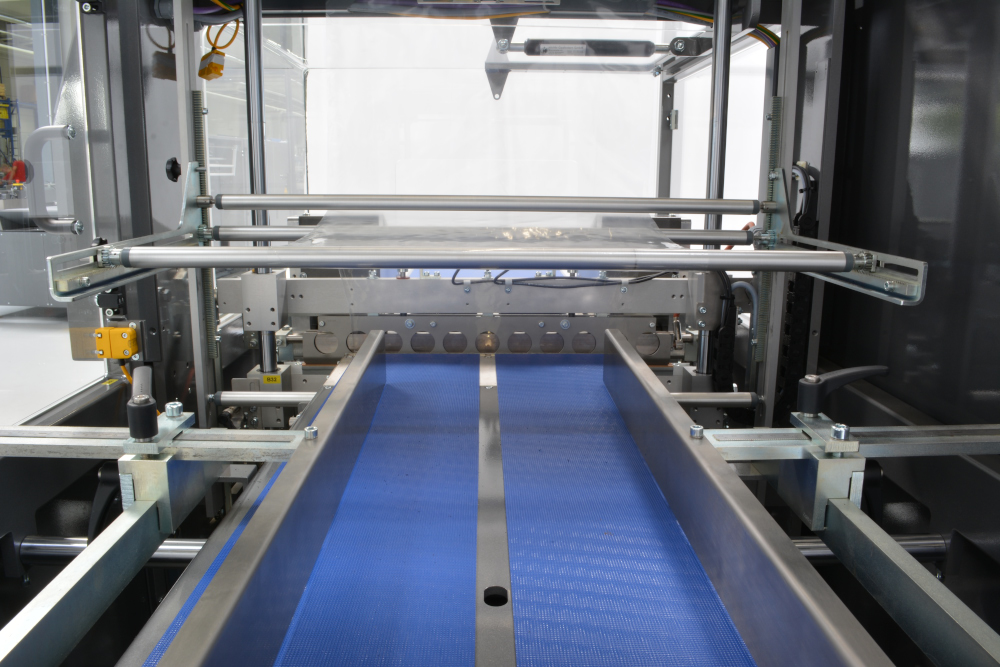
Kallfass equipment features reinforced seal bar assemblies mounted to heavy-gauge frames. The structural rigidity ensures consistent pressure across the entire seal width. Whether bundling lightweight printed materials or heavy industrial products, the seal quality remains uniform. This design eliminates the film waste associated with rejected packages and rework. Businesses save 10-15% on material costs through improved first-pass quality.
Temperature control also depends on frame stability. Heating elements must maintain precise positioning relative to the sealing surface. Frame flex changes this relationship, causing temperature variations across the seal. Advanced shrink bundler equipment incorporates thermal management systems that work only when mounted to rigid structures. The frame provides a stable platform for consistent heat transfer and optimal film shrinkage.
How Does Design Architecture Affect Film Handling Efficiency?
Film handling represents a significant operational cost in bundling operations. Machines that waste film through poor tracking, excessive trim, or frequent jams drain profitability. Design architecture determines how smoothly film flows through the system and how efficiently it wraps products.
Continuous motion bundler systems require sophisticated film handling mechanisms. The frame must support rollers, guides, and tension systems with extreme precision. Misalignment of even a few millimeters causes film tracking problems. Products emerge with wrinkled packaging or incomplete coverage. Operators spend valuable time adjusting settings and troubleshooting issues.
Kallfass machines eliminate these problems through integrated design architecture. Film path components mount to precisely machined surfaces on the main frame. This ensures perfect alignment between film supply, product feed, and sealing stations. The system accommodates film rolls up to specific diameters without requiring structural modifications. Quick-change film carriages speed changeovers between different materials or widths.
The frame design also influences how well machines handle varying product dimensions. Adjustable guide rails must move smoothly while maintaining parallel alignment. Poorly designed systems bind during adjustment or shift under production loads. This forces operators to compromise between easy setup and reliable performance. Superior engineering provides both through precision linear bearings mounted to rigid frame members.
Film tension control depends heavily on frame rigidity. Dancer arms and tensioning rollers require stable mounting points to function correctly. Frame flex introduces variability in tension readings, leading to inconsistent film application. Products may emerge with loose wrapping or excessive film stress. The robust construction of industrial-grade bundling equipment maintains consistent tension across all operating speeds.
Can Frame Construction Reduce Energy Consumption?
Energy costs represent a growing portion of manufacturing overhead. Efficient equipment design reduces utility expenses while supporting sustainability initiatives. The frame construction and thermal management systems of modern shrink bundling machines significantly impact energy consumption.
Key energy-saving features in advanced frame designs include:
- Sealed frame construction retaining heat within sealing zones
- Energy regeneration systems capturing and redirecting waste heat
- Servo-driven mechanisms eliminating compressed air requirements
- Insulated tunnel walls minimizing thermal loss
- Precise temperature zones reducing excessive power consumption
- Optimized heating element placement for maximum efficiency
Complete Packaging Solutions & Systems Inc. / Kallfass USA eliminates compressed air requirements through intelligent mechanical design. Traditional systems consume significant energy powering pneumatic actuators and controls. Modern servo-driven mechanisms provide superior performance while reducing energy costs by up to 30%. The frame must accommodate these advanced drive systems without compromising structural integrity.
Heat shrink tunnels integrated with bundling machines benefit from efficient frame construction. Insulated tunnel walls mounted to rigid frames minimize heat loss and reduce energy waste. Precise temperature zones maintain optimal shrinking conditions without excessive power consumption. The structural design allows for easy maintenance access while preserving thermal efficiency.
What Role Does Modularity Play in Long-Term Performance?
Equipment longevity depends on maintainability and upgrade potential. Modular frame design allows businesses to adapt machinery as production requirements evolve. This flexibility protects your capital investment while supporting operational growth.
Modern bundler machine designs incorporate removable subassemblies for major components. Seal bar assemblies, film carriages, and control panels mount to standardized interfaces on the main frame. This modularity simplifies repairs and reduces downtime during component replacement. Technicians swap complete assemblies rather than troubleshooting complex integrated systems.
The frame architecture also determines upgrade feasibility. Adding conveyors, product separators, or automation features requires structural mounting points and load capacity. Machines designed with expansion in mind include reinforced areas for future modifications. This forward-looking approach extends equipment usefulness as production demands increase.
Critical modular design elements supporting adaptability:
- Standardized mounting interfaces for quick component replacement
- Reinforced zones accepting future conveyor integration
- Accessible service panels without complete teardown requirements
- Corrosion-resistant frame coatings for harsh environments
- Modular electrical systems supporting technology upgrades
- Pre-engineered attachment points for automation accessories
How Does Frame Design Impact Maintenance Requirements?
Maintenance costs often exceed equipment purchase prices over a machine’s operational life. Frame design directly influences service accessibility and component wear rates. Well-engineered systems minimize maintenance demands while simplifying necessary service procedures.
Protected frame cavities prevent contamination accumulation in critical areas. Open frame designs allow debris, dust, and film residue to accumulate around moving parts. This contamination accelerates wear and requires frequent cleaning. Enclosed designs with strategic access panels keep sensitive components clean while allowing efficient service access.
Lubrication points must remain accessible without extensive disassembly. Frame designs that bury bearings and slide mechanisms deep within the structure increase service time and costs. Kallfass equipment features externally accessible lubrication fittings mounted to the frame exterior. Maintenance technicians complete routine servicing quickly without disrupting production schedules.
Component alignment remains stable in properly designed frames. Machines requiring frequent realignment suffer from inadequate structural rigidity. The frame flexes during operation, causing components to drift out of specification. This creates a cycle of adjustment, operation, misalignment, and readjustment. Superior engineering maintains factory alignment throughout the equipment’s service life.
What Makes Kallfass Frame Engineering Superior?
Decades of packaging industry experience inform every aspect of Kallfass frame design. The engineering team analyzes stress patterns, thermal dynamics, and operational demands to optimize structural performance. This expertise translates into machines that deliver 98.5%+ uptime across diverse production environments.
German engineering standards ensure precision manufacturing and quality materials. Heavy-gauge steel construction provides the foundation for reliable operation. Precision machining creates exact mounting surfaces for critical components. Robotic welding produces consistent, high-strength joints throughout the frame structure.
The design accommodates easy integration with existing production lines. Standardized height specifications match common conveyor elevations. Adjustable feet compensate for uneven floors while maintaining machine level. Compact footprints maximize floor space utilization without sacrificing accessibility or performance.
Is Your Current Equipment Built to Last?
Many businesses discover frame and design limitations only after experiencing chronic problems. Frequent breakdowns, inconsistent quality, and mounting maintenance costs signal inadequate structural engineering. Evaluating your current equipment against professional standards reveals whether you’re operating with competitive advantages or handicaps.
Excessive vibration during operation indicates frame weakness. Machines should run smoothly even at maximum speed with full product loads. Rattling components or shaking structures demonstrate inadequate rigidity. These symptoms predict accelerated wear and eventual failure.
Frequent seal quality adjustments suggest structural problems. Properly designed machines maintain calibration across thousands of cycles. Needing constant intervention to achieve acceptable seals means the frame cannot maintain component alignment. This creates ongoing quality risks and productivity losses.
Ready to Upgrade Your Packaging Performance?
Complete Packaging Solutions & Systems Inc. / Kallfass USA delivers industrial-grade bundling equipment engineered for exceptional performance and longevity. Our automatic bundling machines combine robust frame construction with advanced design features that eliminate common packaging problems. From food manufacturers to contract packagers, businesses across North America trust Kallfass quality.
Contact our packaging experts today to discuss your production requirements. We’ll recommend the optimal shrink bundler equipment configuration for your application and arrange an on-site consultation. Discover why leading manufacturers choose Kallfass when performance matters more than price.