
How Much Weight Can Shrink Wrapping Machines Handle?
When investing in packaging automation, weight capacity becomes a critical factor. Business owners and production managers frequently ask about the load limits of shrink wrap machines. The answer depends on several variables, including machine design, product dimensions, and the specific application requirements.
What Determines the Weight Capacity of Shrink Wrap Machines?
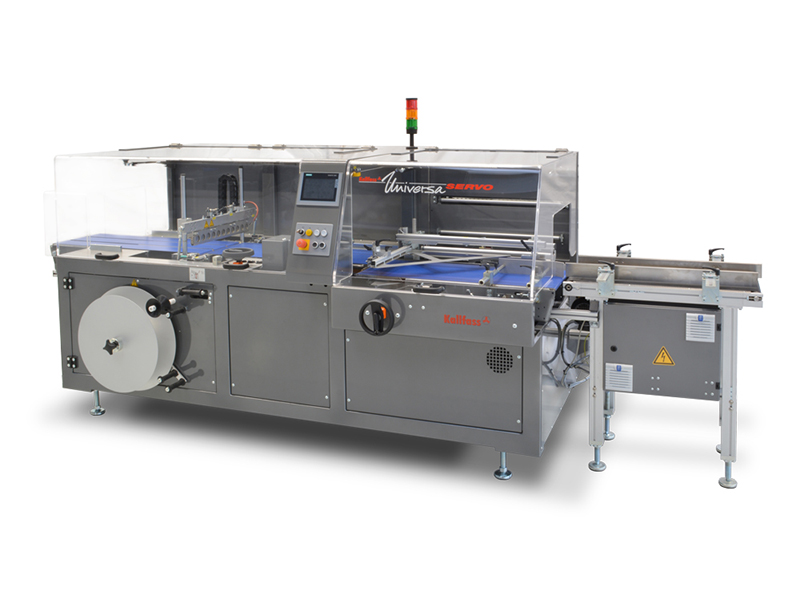
Weight capacity isn’t a one-size-fits-all specification. Modern automated shrink wrap machines are engineered to handle diverse product weights based on their construction and intended use. Industrial-grade systems typically accommodate products ranging from lightweight cosmetic items to heavy building materials weighing several hundred pounds.
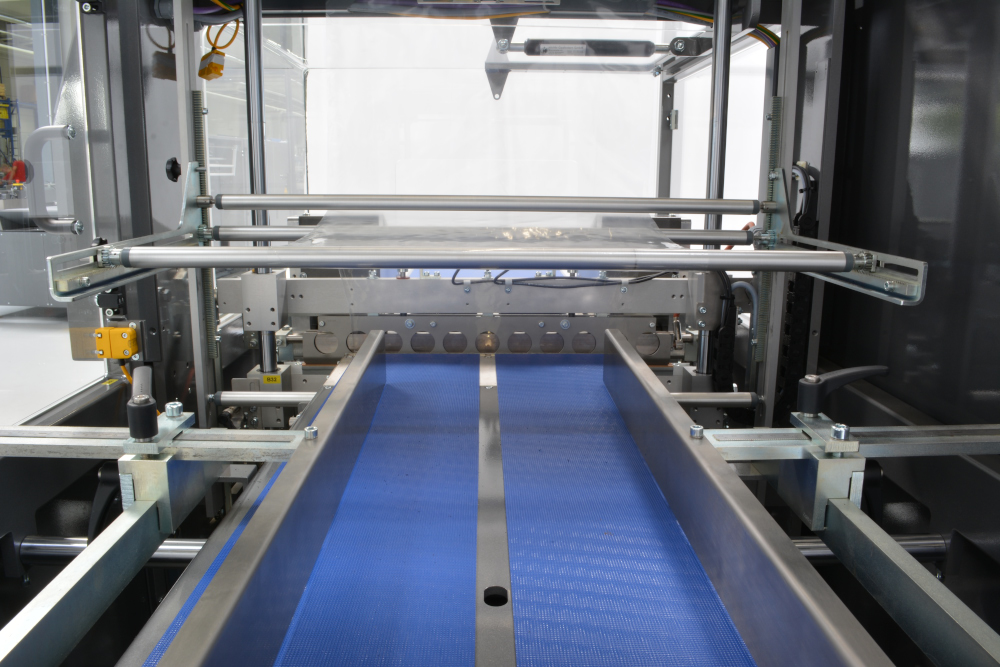
The conveyor system plays a vital role in determining capacity. Heavy-duty conveyors integrated with shrink packaging machines can support substantial loads without compromising speed or accuracy. Machine frame construction, sealing bar strength, and film handling capabilities all contribute to overall weight tolerance.
How Do Different Industries Utilize Weight Capacities?
Food and bakery operations often package products between 1 to 50 pounds. These applications require precision and gentle handling to maintain product integrity. An auto wrapping machine in this sector must balance speed with delicate product protection.
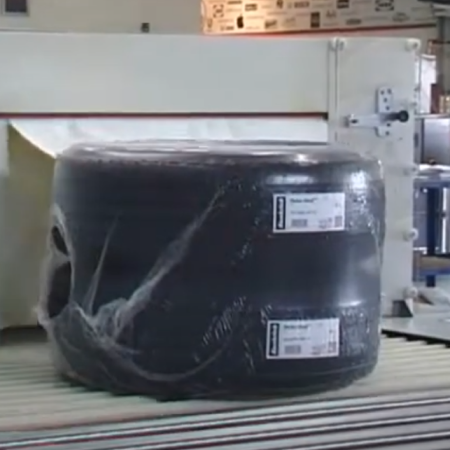
Building materials represent the opposite end of the spectrum. Wood panels, siding, and furniture components can weigh 100 pounds or more. Industrial shrink wrap systems designed for these applications feature reinforced frames and powerful sealing mechanisms. The machines must maintain consistent wrapping quality regardless of product weight.
Pharmaceutical and cosmetic sectors typically handle lighter products. These industries prioritize clean room compatibility and precise wrapping over heavy load capacity. However, bundled products can still reach significant weights when grouped together.
Can One Machine Handle Multiple Weight Categories?
Versatility defines modern automatic wrapping machine suppliers‘ offerings. Advanced systems accommodate wide weight ranges without requiring extensive reconfiguration. Motion control technology adjusts sealing pressure and conveyor speed based on product specifications.
This adaptability proves especially valuable for contract packaging companies. A single machine can transition from lightweight retail products to heavier industrial items within the same production day. Film switching capabilities allow operators to match material thickness to product weight requirements.
What Should You Consider When Selecting Equipment?
Evaluate Your Product Range:
- Identify your lightest and heaviest items
- Consider future product line expansions
- Account for bundled product weights
- Factor in packaging material weight
Assess Production Requirements:
- Daily throughput targets
- Peak production periods
- Product changeover frequency
- Available floor space
Machine uptime directly impacts productivity. Systems offering 98.5% or higher uptime minimize disruptions caused by weight-related adjustments. Easy film switching without field programming reduces transition time between different product weights.
Also Read :
Why Choose Automatic Over Manual or Semi-Automatic Shrink Wrappers?
How Does Load Weight Influence Your Shrink Wrapping Equipment Choice?
How Does Film Selection Impact Weight Handling?
Film choice significantly affects packaging performance across weight categories. Thick polyethylene films provide superior protection for heavy products during shipping. These robust materials withstand handling stress and environmental exposure.
Lightweight products often utilize thinner polyolefin films for retail presentation. The film gauge must match product weight to prevent tearing or inadequate protection. Modern shrink wrap machines run all film types equally, eliminating compatibility concerns.
Material savings of 10-15% become possible when machines precisely control film application. This efficiency matters particularly when packaging heavy items that consume substantial film quantities. Proper film selection ensures secure packaging without excessive material waste.
Are There Weight Limitations for Automated Systems?
Most industrial applications fall within standard machine capabilities. Custom solutions address specialized requirements exceeding typical parameters. Manufacturers’ engineering systems for specific industries incorporate appropriate weight handling features from the design phase.
Energy regeneration technology in advanced machines maintains consistent performance across weight ranges. This innovation prevents power fluctuations that could compromise sealing quality on heavier products. No compressed air requirements eliminate pressure-related variables affecting weight handling.
Production lines benefit from integrated systems where conveyors, sealers, and tunnels work cohesively. This coordination ensures smooth product flow regardless of weight variations. Proper system design prevents bottlenecks caused by mismatched component capacities.
Ready to Find the Perfect Shrink Wrapping Solution?
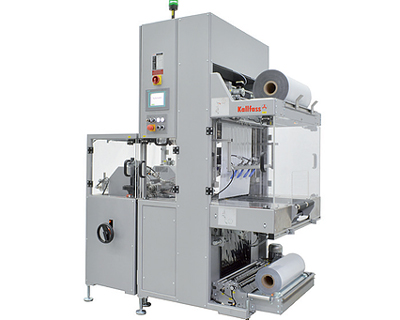
At Complete Packaging Solutions & Systems Inc. / Kallfass USA, we engineer precision shrink wrap systems that handle your exact weight requirements with unmatched reliability. Our automatic shrink wrap machines serve leading manufacturers in food, bakery, wood, cosmetics, pharmaceuticals, and printing, delivering 98.5%+ uptime and 10-15% material savings.
Whether you’re packaging delicate cosmetics or heavy building materials, our cutting-edge motion control technology and film versatility ensure flawless results. No compressed air needed. No field programming required. Just consistent, high-performance packaging automation.
Contact Kallfass USA today to discuss your weight capacity needs and discover why premium manufacturers choose quality over compromise. Let’s engineer your ideal packaging solution.