
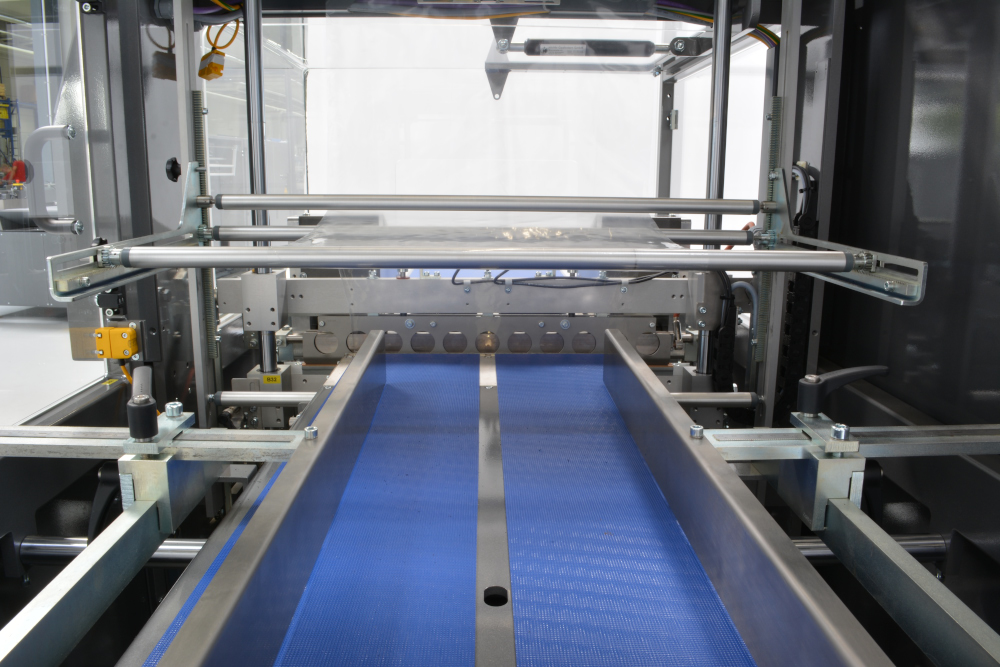
How Shrink Wrapping Reduces Material Waste In Packaging Lines
Material waste continues to impact operational efficiency across high-volume packaging environments. Excess film usage, inconsistent sealing, and unplanned downtime contribute to higher material costs and lost productivity. Packaging lines handling diverse product sizes often struggle with film tension issues, misalignment, and spacing errors. These challenges directly increase waste and reduce throughput consistency.
A well-configured shrink wrap sealer addresses these issues by creating controlled, repeatable sealing cycles. Precision-engineered systems reduce excess film usage while maintaining consistent package quality. When packaging automation focuses on accuracy rather than speed alone, material waste becomes easier to control.
How Does A Shrink Wrap Sealer Minimize Film Consumption?
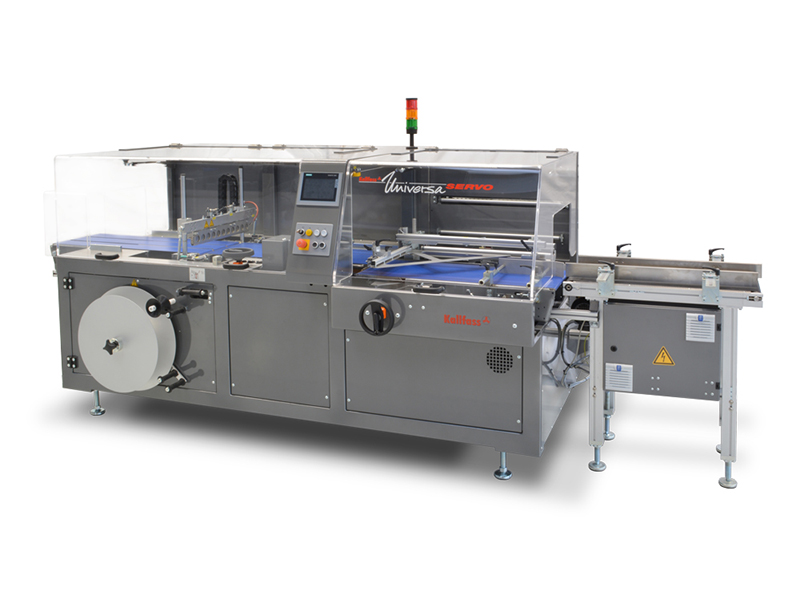
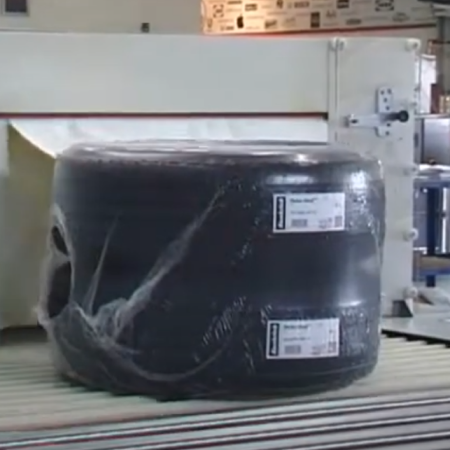
A shrink wrap sealer minimizes film consumption through controlled sealing geometry and consistent product flow. Advanced sealing technology forms precise film bags without unnecessary overlap or slack. Each package receives the exact amount of film required for protection and presentation.
Modern sealers use motion-controlled sealing jaws rather than mechanical cams. This allows smoother transitions and tighter seals. Film tension remains stable throughout the process, reducing tearing and excess trimming. Over time, this approach supports measurable material savings across production shifts.
Manufacturers using optimized shrink wrapping systems typically see reduced rework, fewer rejected packages, and cleaner sealing results.
What Role Does A Side Sealer Machine Play In Waste Reduction?
A side sealer machine is designed to create a continuous side seal rather than sealing all four edges individually. This method reduces film overlap and eliminates the need for pre-formed bags. As a result, film usage drops without affecting package strength.
Side sealing technology adapts well to varying product lengths. The system seals only what is needed, regardless of product size. This flexibility helps reduce waste when packaging mixed product lines or seasonal variations.
By sealing continuously along the product edge, the packaging line maintains efficiency while limiting unnecessary material usage.
Why Are Continuous Side Sealers More Efficient Than Intermittent Systems?
A continuous side sealer operates without stopping the product flow. Products move through the sealing area in a steady motion. This eliminates start-stop cycles that often cause film stretching or misalignment.
Continuous operation improves sealing consistency and reduces film stress. Film remains under controlled tension, minimizing wrinkles and weak seals. These factors directly contribute to lower material waste.
For high-output operations, continuous sealing provides better material control than intermittent systems while maintaining consistent packaging quality.
How Does A Continuous Motion Side Sealer Improve Packaging Accuracy?
A continuous motion side sealer uses servo-driven motion control to synchronize product movement and sealing action. This synchronization allows the sealing jaws to match product speed precisely. Film waste caused by timing errors or spacing inconsistencies is significantly reduced.
Motion control technology also eliminates mechanical wear points. Fewer moving parts mean fewer adjustments and less downtime. The result is stable film usage across long production runs.
This level of precision supports efficient shrink wrapping for manufacturers focused on long-term material savings.
What Features Of An Automatic Side Sealer Reduce Waste?
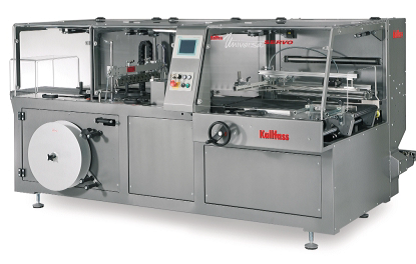
An automatic side sealer integrates multiple waste-reducing features into a single system. These machines operate with minimal operator intervention and maintain consistent settings across shifts.
Key waste-reduction features include:
- Servo-driven sealing systems for precise film control
- Automatic product spacing to prevent overlap and gaps
- Consistent seal geometry for uniform film usage
Automation ensures repeatable performance, which helps control material costs in high-volume packaging environments.
How Do Film Compatibility And Changeovers Affect Material Efficiency?
Material waste often increases during film changeovers or when systems struggle to handle different film types. Advanced shrink wrapping systems run multiple film types equally well. This flexibility reduces trial runs and material loss during setup.
Easy film threading and tool-free changeovers also minimize downtime. Operators spend less time adjusting tension or alignment. Stable setups lead to consistent film usage and fewer discarded packages.
Over time, improved film handling supports predictable material consumption across packaging lines.
Also Read :
How Does Shrink Wrap Packaging Enhance Product Presentation and Branding?
What Are The Measurable Benefits Of Reduced Packaging Waste?
Reducing material waste delivers measurable operational benefits. Lower film usage directly reduces packaging costs. Consistent sealing quality lowers rejection rates and rework time.
Common benefits include:
- Reduced film consumption per package
- Improved package appearance and shelf readiness
- Fewer production interruptions due to film issues
These improvements support both cost control and operational reliability.
Why Is Shrink Wrapping A Long-Term Waste Reduction Strategy?
Shrink wrapping remains one of the most efficient packaging methods for protecting and presenting products. When paired with precision automation, shrink wrapping supports sustainable material usage without sacrificing speed or quality.
A properly selected shrink wrap sealer helps packaging lines balance throughput and efficiency. Continuous sealing systems reduce waste while maintaining consistent performance. Over time, these advantages support scalable packaging operations with controlled material costs.
How Does Kallfass Support Smarter Shrink Wrapping Solutions?
Complete Packaging Solutions & Systems Inc. / Kallfass USA specializes in high-end automatic shrink wrap machines engineered for precision, durability, and material efficiency. Advanced motion control technology, energy regeneration, and no compressed air requirements support consistent sealing performance. Kallfass systems eliminate spacing issues, run all films equally, and deliver up to 15 percent material savings.
Contact Complete Packaging Solutions & Systems Inc. / Kallfass USA to explore premium shrink-wrap solutions designed to reduce waste, increase uptime, and elevate packaging performance across demanding production lines.