
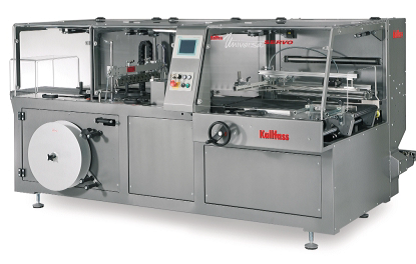
Manual, Semi-Automatic, And Automatic Shrink Sealers: A Feature Comparison
Packaging efficiency depends heavily on selecting the right equipment. A shrink wrap sealer plays a central role in protecting products, improving presentation, and supporting production efficiency. Manufacturers across industries rely on shrink wrapping to secure items during storage and transport.
Different sealing technologies serve different production needs. Some facilities require flexible entry-level machines. Others depend on high-speed automation to maintain output levels. Comparing manual, semi-automatic, and fully automated systems helps operations teams determine which shrink wrap sealer delivers the right balance of performance and efficiency.
What Defines A Manual Shrink Wrap Sealer?
Manual machines are typically used in smaller packaging environments or operations with lower production volumes. Operators place the product inside shrink film and activate the sealing process manually. After sealing, the wrapped product moves into a heat shrink tunnel or heating chamber.
Manual equipment offers a simple setup and lower initial investment. However, production speed depends entirely on operator efficiency.
Common characteristics include:
- Basic sealing mechanism controlled by an operator
- Suitable for smaller batch packaging
- Lower throughput compared to automated systems
- Simple installation and operation
Manual systems are often chosen by small packaging facilities or businesses that package products intermittently.
How Does A Semi-Automatic Side Sealer Improve Production?
A semi-automatic side sealer improves efficiency by automating parts of the packaging cycle while still requiring operator interaction. The operator positions the product, and the machine performs the sealing step automatically.
This approach increases speed while maintaining operational control. Semi-automatic machines can process a larger number of packages per hour compared to manual systems.
A semi-automatic side sealer is commonly used when production demand exceeds manual capacity but does not yet require a fully automated line.
Typical benefits include:
- Higher packaging speed than manual machines
- Improved sealing consistency
- Reduced operator fatigue
- Better package appearance and reliability
These systems provide an efficient transition step for companies moving toward automated packaging.
What Capabilities Define An Automatic Side Sealer?
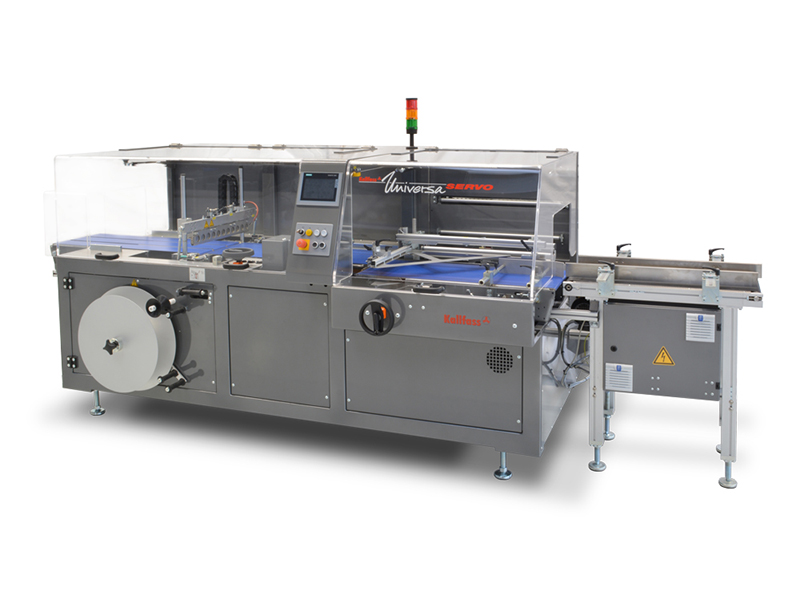
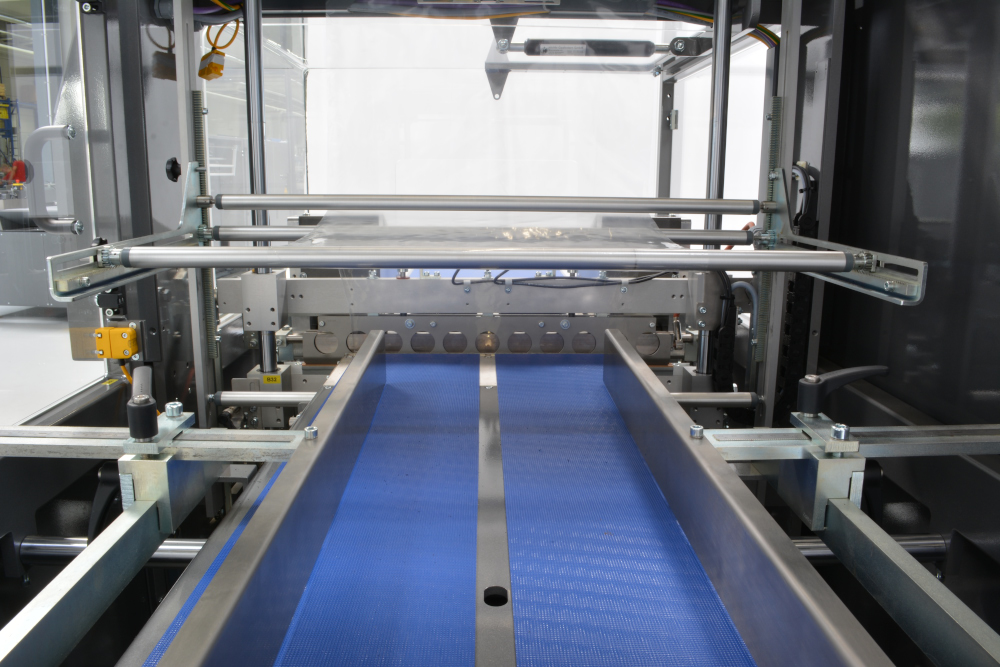
An automatic side sealer is designed for continuous production environments. Products move through conveyors while sealing and wrapping occur automatically. The machine performs the entire packaging cycle without manual intervention.
High-output facilities often rely on automated systems because they maintain consistent packaging speed while minimizing human involvement.
An automatic side sealer delivers several advantages:
- Continuous product flow without stopping the packaging line
- Servo-driven precision sealing technology
- Ability to handle products with different lengths or spacing
- Integration with conveyors and shrink tunnels
Modern automated equipment also reduces operational complexity. Advanced systems allow quick film changes and simplified operation without complex programming requirements.
Why Does Automation Matter In Shrink Wrap Packaging?
Automation plays a key role in modern packaging operations. As production volumes increase, companies require equipment that maintains speed without sacrificing packaging quality.
A high-performance shrink wrap sealer helps manufacturers streamline packaging workflows while reducing material waste. Advanced motion control systems ensure accurate film placement and consistent sealing results.
Automated shrink wrapping also improves overall production efficiency. When products move continuously through the packaging line, downtime decreases and output remains stable.
Modern machines are also designed to handle multiple film types without adjustment. This flexibility allows manufacturers to switch packaging materials quickly while maintaining productivity.
Also Read :
Why Side Seal Shrink Wrapping is Ideal for Bakery Products
Can an Intermittent Motion Sealer Reduce Film Waste?
Which Shrink Sealing System Supports Long-Term Packaging Efficiency?
Selecting the right equipment depends on production volume, product variety, and automation goals. Manual systems support small packaging tasks. Semi-automatic machines increase efficiency for mid-level production lines. Fully automated systems deliver maximum output for large-scale manufacturing.
Manufacturers and contract packaging companies often choose automated systems when packaging speed, consistency, and uptime are critical. Advanced automation reduces operational complexity while improving packaging performance.
Complete Packaging Solutions & Systems Inc./Kallfass USA delivers high-end shrink wrap sealer systems designed for demanding production environments. These machines feature advanced motion control technology, energy regeneration, and seamless film compatibility. Businesses across industries rely on these systems for precision packaging and long-term reliability.
Ready to upgrade packaging efficiency? Discover premium shrink wrapping solutions from Complete Packaging Solutions & Systems Inc./Kallfass USA and transform production performance.