

What Are the Most Common Mistakes When Using Shrink Wrap Sealers?
Shrink wrap sealers are essential for modern packaging operations, but even experienced operators make mistakes that cost time and money. Understanding these common errors helps manufacturers maximize efficiency and protect their bottom line. Whether you’re running a continuous side sealer or an intermittent machine, avoiding these pitfalls ensures consistent quality and optimal performance.
Why Do Operators Choose the Wrong Machine Type?
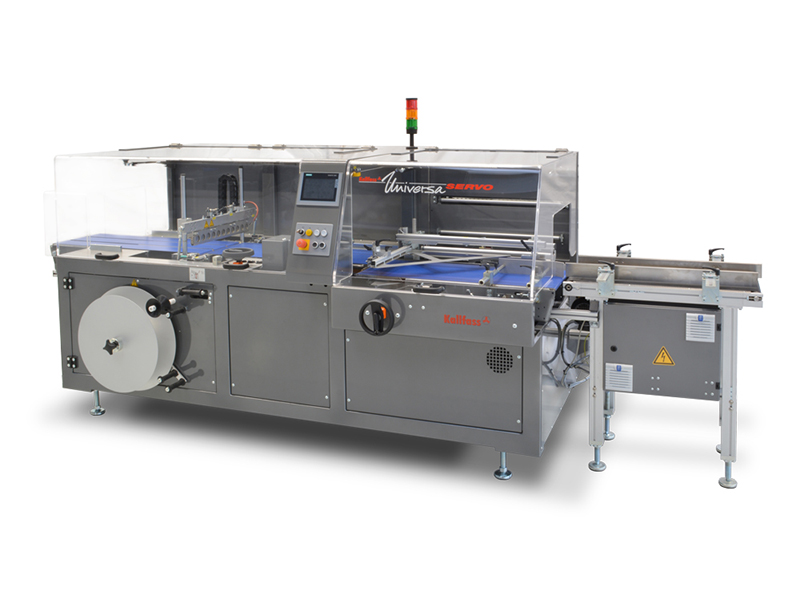
Selecting the wrong shrink wrap sealer for your production needs is perhaps the most costly mistake. Many businesses invest in equipment without fully analyzing their throughput requirements, product dimensions, or future growth plans. An intermittent machine might seem budget-friendly initially, but it can’t match the speed of a continuous motion side sealer when demand increases.
High-volume operations benefit from continuous motion technology. These machines handle 100+ products per minute without stopping between packages. Intermittent systems pause after each seal, limiting production capacity. If your facility runs multiple shifts or processes thousands of units daily, choosing intermittent technology creates bottlenecks. The result? Delayed orders, frustrated customers, and lost revenue opportunities.
Consider your product mix carefully. Variable-length items require different handling than uniform boxes. A continuous side sealer with servo control adapts to random spacing and different dimensions without manual adjustments. This flexibility eliminates downtime during changeovers and keeps production flowing smoothly across diverse product lines.
How Does Improper Film Selection Impact Quality?
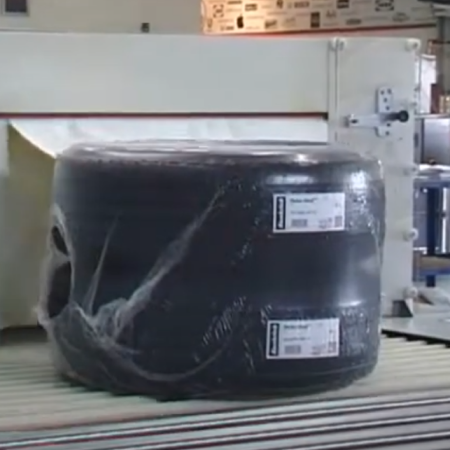
Film choice directly affects package appearance and material costs. Many operators stick with familiar films instead of testing alternatives that could save money or improve results. Using film that’s too thick wastes material. Film that’s too thin causes tears and weak seals. Neither scenario serves your business well.
Temperature settings must match your film type. Polyolefin requires different heat levels than polyethylene. Running the wrong temperature damages film, creates poor seals, or causes shrinkage problems. Smart operators test film samples before committing to large orders. They verify compatibility with their equipment and adjust machine settings accordingly.
Modern automatic side sealers with servo technology reduce film waste significantly. These systems control film tension precisely, minimizing excess material at package ends. Businesses switching to servo-controlled equipment report 10-15% material savings. That percentage adds up quickly when you’re wrapping thousands of products monthly.
People Also Ask
What is the biggest mistake when operating a shrink wrap sealer?
Choosing the wrong machine type for your production volume. Selecting intermittent sealers for high-volume operations requiring continuous motion technology creates production bottlenecks and lost revenue.
How often should shrink wrap sealer maintenance be performed?
Daily cleaning of sealing bars, weekly conveyor inspections, and monthly temperature sensor checks. Regular maintenance prevents costly downtime and extends equipment lifespan.
What Maintenance Issues Cause the Most Downtime?
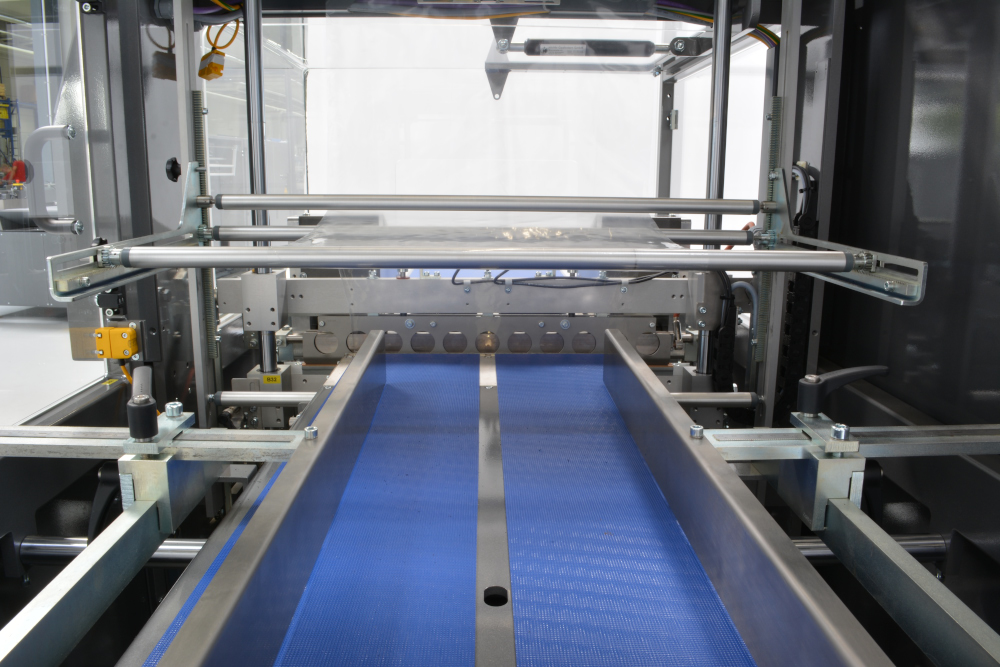
Neglecting routine maintenance tops the list of operator mistakes. Sealing bars need regular cleaning to prevent film residue buildup. Contaminated bars create inconsistent seals and product rejects. A simple daily cleaning routine takes minutes but prevents hours of production loss.
Worn components reduce machine performance gradually. Operators often ignore small issues until they become major problems. A slightly misaligned seal bar might seem insignificant, but it increases film waste and creates quality issues. Regular inspections catch these problems early when fixes are quick and inexpensive.
Key maintenance priorities include:
- Daily cleaning of sealing bars and film paths
- Weekly inspection of conveyor belts and tracking systems
- Monthly verification of temperature sensors and heating elements
- Quarterly examination of servo motors and electrical connections
Complete Packaging Solutions & Systems Inc. / Kallfass USA machines simplify maintenance with accessible components and no compressed air requirements. The elimination of pneumatic systems removes a major maintenance headache. No air leaks, no filter changes, no pressure adjustments. Just reliable operation with 98.5%+ uptime.
Why Do Operators Struggle With Temperature Control?
Temperature mistakes create immediate quality problems. Setting too high char film edges and creating smoke. Settings too low produce weak seals that fail during handling. Finding the sweet spot requires patience and testing, but many operators rush through setup.
Environmental factors affect temperature requirements. A cold warehouse demands different settings than a climate-controlled facility. Humidity impacts film behavior. Ignoring these variables leads to inconsistent results and frustrated quality managers.
Servo-controlled side sealers maintain precise temperatures automatically. Advanced heating systems compensate for environmental changes without manual adjustment. Emergency heating features keep production running even if temperature sensors fail. This technology reduces operator error and improves package consistency.
How Does Improper Speed Setting Affect Production?
Running equipment too fast compromises seal quality. Pushing for maximum speed without considering film cooling time creates problems. Packages exit the sealer before the film fully bonds. The result? Seals that separate during handling or shrink tunnel processing.
Conversely, running too slowly wastes production capacity. A continuous motion side sealer capable of 120 cycles per minute shouldn’t operate at 60 cycles unless product characteristics demand it. Underutilizing equipment means you’re not maximizing your investment return.
Optimal speed balances throughput with quality. Test different settings with your actual products. Monitor seal strength and package appearance. Adjust conveyor speed until you achieve consistent results at maximum safe velocity. Document these settings for different product types to ensure operator consistency across shifts.
What Training Gaps Lead to Operational Problems?
Insufficient operator training creates recurring issues. New employees learn by watching experienced workers, but this approach perpetuates bad habits. Without structured training, operators develop their own methods that may not align with best practices or manufacturer recommendations.
Many businesses skip training on film changeovers. Operators struggle with threading new rolls, adjusting tension, and verifying tracking. These difficulties extend downtime unnecessarily. A well-trained operator completes film changes in minutes rather than fighting with the machine for thirty minutes or more.
Understanding machine capabilities prevents misuse. Operators who know their equipment’s limits protect it from damage. They recognize warning signs before failures occur. They make informed decisions about speed adjustments and maintenance needs. Training investment pays dividends through reduced breakage and longer equipment life.
When Should You Ignore Standard Operating Procedures?
Never. Standard procedures exist for good reason. Skipping steps to save time usually backfires. Rushing through warm-up periods stresses heating elements. Bypassing safety checks risks injury and equipment damage. Following established procedures consistently delivers better results than cutting corners occasionally.
Procedures should evolve with experience. If operators discover better methods, update documentation officially. This ensures knowledge spreads throughout your team. Informal workarounds that aren’t documented disappear when experienced employees leave. Formal procedure updates preserve institutional knowledge.
Quality control checkpoints prevent problems from compounding. Regular seal strength testing catches temperature issues before thousands of bad packages accumulate. Dimensional verification ensures packages meet specifications. These checks take minimal time but prevent costly rework and customer complaints.
Ready to Eliminate These Common Mistakes?
Complete Packaging Solutions & Systems Inc. / Kallfass USA delivers shrink wrapping solutions engineered to minimize operator error and maximize productivity. Our automatic side sealers feature intuitive controls, servo precision, and maintenance-friendly designs that keep your operation running smoothly. With Windows-based software requiring no programming and machines that run all films equally, we eliminate common frustration points.
Contact us today to discuss how our proven packaging automation can transform your operation. Experience the difference that 50+ years of engineering excellence makes in real-world production environments.