
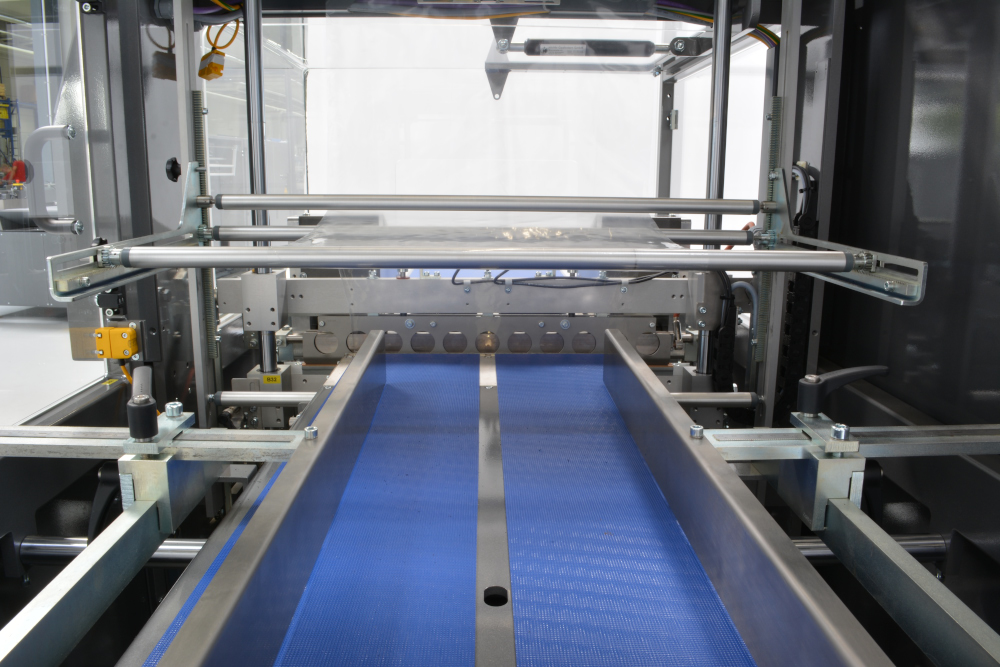
What Power and Utility Requirements Support Auto Shrink Wrap?
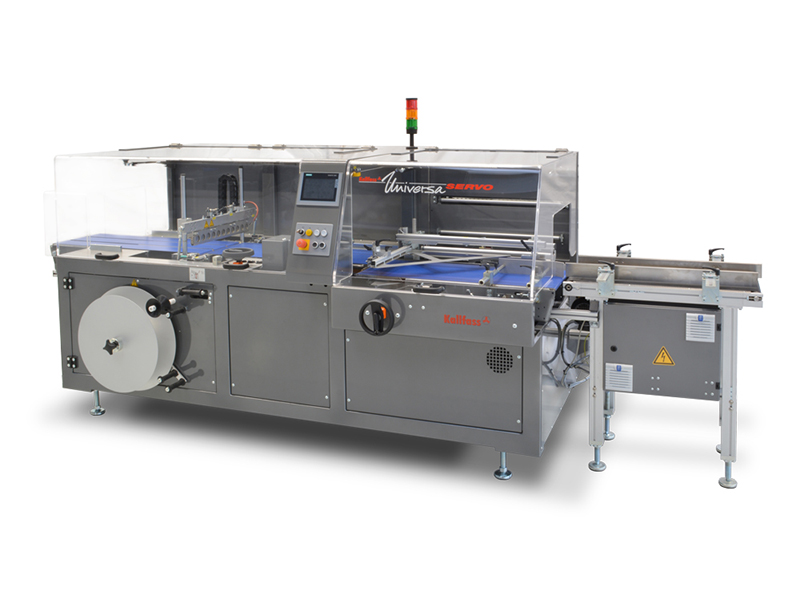
When investing in packaging automation, power and utility requirements often determine operational costs and feasibility. Automatic shrink wrap machines have evolved significantly, offering manufacturers smarter energy solutions without compromising performance. Modern systems now prioritize efficiency, reduce consumption, and eliminate traditional utility dependencies that once drove up expenses.
What Electrical Specifications Do These Machines Need?
Most automatic shrink packaging machine systems operate on standard industrial power supplies. Voltage requirements typically range from 208V to 480V three-phase, depending on machine capacity and throughput demands. Amperage varies based on heat tunnel size and sealing systems, but advanced models incorporate energy regeneration technology that recovers power during operation cycles.
This regenerative capability reduces overall electrical consumption by 10-15% compared to conventional systems. The technology captures energy from braking motors and feeds it back into the system, creating a more sustainable operation. Manufacturers benefit from lower utility bills while maintaining high-speed production rates.
How Do Modern Systems Eliminate Compressed Air Requirements?
Traditional packaging equipment often requires compressed air infrastructure, adding significant installation and operational costs. Modern shrink wrap machines have revolutionized this aspect by eliminating compressed air dependencies. These systems use electric servo motors and advanced motion control technology instead of pneumatic components.
The absence of compressed air requirements delivers multiple advantages. Facilities avoid the expense of compressor installations, maintenance, and energy consumption associated with air generation. Production lines become more reliable since there are no pressure fluctuations or air leaks to disrupt operations. This design philosophy also reduces noise levels in manufacturing environments.
What Heat Requirements Power the Shrinking Process?
Heat tunnels represent the core component where film transformation occurs. These units require precise temperature control to achieve consistent shrink results across different film types. Modern tunnels utilize ceramic heating elements or infrared technology that provides even heat distribution and rapid warm-up times.
Energy-efficient insulation minimizes heat loss, reducing the power needed to maintain optimal operating temperatures. Variable speed blowers adjust airflow based on product dimensions and film specifications, ensuring proper shrink tension without wasting energy. Temperature management systems monitor and adjust heat levels automatically, preventing energy waste during idle periods or slower production runs.
Does Film Type Affect Utility Consumption?
The automatic shrink wrapper’s versatility extends to film compatibility, and different materials do impact energy usage. Polyolefin films typically shrink at lower temperatures (250-350°F) compared to polyethylene films (300-400°F). This temperature variance directly influences heat tunnel power consumption.
However, advanced systems compensate through intelligent controls that optimize settings for each film type. The machines adjust heat, conveyor speed, and airflow automatically, preventing unnecessary energy expenditure. This adaptability allows manufacturers to switch between films without reconfiguring utility infrastructure or experiencing efficiency losses.
What Installation Infrastructure Is Required?
Facility preparation for shrink wrap machines involves straightforward electrical connections. Most installations require a dedicated electrical circuit with appropriate breaker protection. The compact footprint of modern equipment means minimal floor space demands, and the absence of compressed air lines simplifies layout planning.
Key installation considerations include:
- Adequate electrical service capacity for machine specifications
- Proper ventilation for heat tunnel exhaust
- Accessible electrical disconnect for safety compliance
- Level flooring to ensure optimal machine operation
The plug-and-play design philosophy means technicians complete installations quickly. No complex programming or specialized utilities are needed in the field. Systems arrive pre-configured and tested, reducing downtime during integration into existing production lines.
How Do Advanced Controls Optimize Power Usage?
Motion control technology represents a significant advancement in packaging automation. These systems coordinate all machine functions through precision servo motors that consume power only when actively working. Unlike older hydraulic or pneumatic systems that run continuously, servo-driven equipment operates on-demand.
Intelligent controls monitor production flow and adjust machine operations accordingly. During product gaps or slower throughput periods, the system automatically reduces energy consumption. Heat tunnels maintain minimum temperatures rather than full operating levels when products aren’t present. This responsive approach maximizes efficiency without requiring operator intervention.
What Maintenance Impacts Long-Term Utility Costs?
Preventive maintenance directly affects operational efficiency and utility consumption. Well-maintained machines operate at peak performance levels, using energy as designed. Neglected equipment gradually loses efficiency, consuming more power to achieve the same results.
Regular maintenance schedules should address heating elements, conveyor systems, and control components. Clean heating elements transfer energy more effectively, reducing power waste. Properly aligned conveyors minimize motor strain and power draw. Updated control software ensures optimal coordination between all machine functions, maintaining energy efficiency throughout the equipment lifecycle.
Also Read :
How to Maintain Peak Performance in Automatic Shrink Wrapping Machines
Why Choose Automatic Over Manual or Semi-Automatic Shrink Wrappers?
Why Choose Performance Over Price?
Budget-focused equipment decisions often lead to higher long-term costs through increased utility consumption and frequent repairs. Premium automatic shrink wrap machines deliver superior performance metrics including 98.5%+ uptime, seamless film versatility, and material savings up to 15%. These systems eliminate spacing issues and handle high-output operations without quality compromises.
Performance advantages include:
- Energy regeneration reduces electrical costs
- No compressed air requirements lower facility expenses
- Consistent operation minimizes waste and rework
- Local parts availability ensures rapid service response
The investment in quality equipment pays dividends through reduced operational expenses, reliable production, and lower total cost of ownership. Manufacturers gain competitive advantages through faster throughput, better package presentation, and predictable operating costs that support accurate financial planning.
Upgrade Your Production Line with Kallfass USA
At Complete Packaging Solutions & Systems Inc. / Kallfass USA, we deliver precision-engineered shrink-wrap solutions that redefine packaging efficiency. Our advanced systems feature cutting-edge motion control technology, seamless film versatility, no compressed air needs, and energy regeneration every cycle. Serving top manufacturers in food, bakery, wood, cosmetics, pharma, and printing, we specialize in solutions built for speed, uptime, and serious performance.
Contact us today to learn how our industrial shrink-wrapping systems deliver superior results, proven reliability, and long-term value for your manufacturing operation.