
Which Shrink Tunnel Conveyor Type Fits Specific Products?
Selecting the right conveyor system for your shrink wrapping operation can make or break your packaging efficiency. When products move through heat shrink tunnels and wrapping machines, the conveyor type determines speed, accuracy, and product quality. Two primary options dominate the industrial packaging landscape: belted conveyors and lugged infeed conveyors. Each serves distinct purposes based on product characteristics and operational demands.
What Makes Belted Conveyors Ideal for Certain Products?
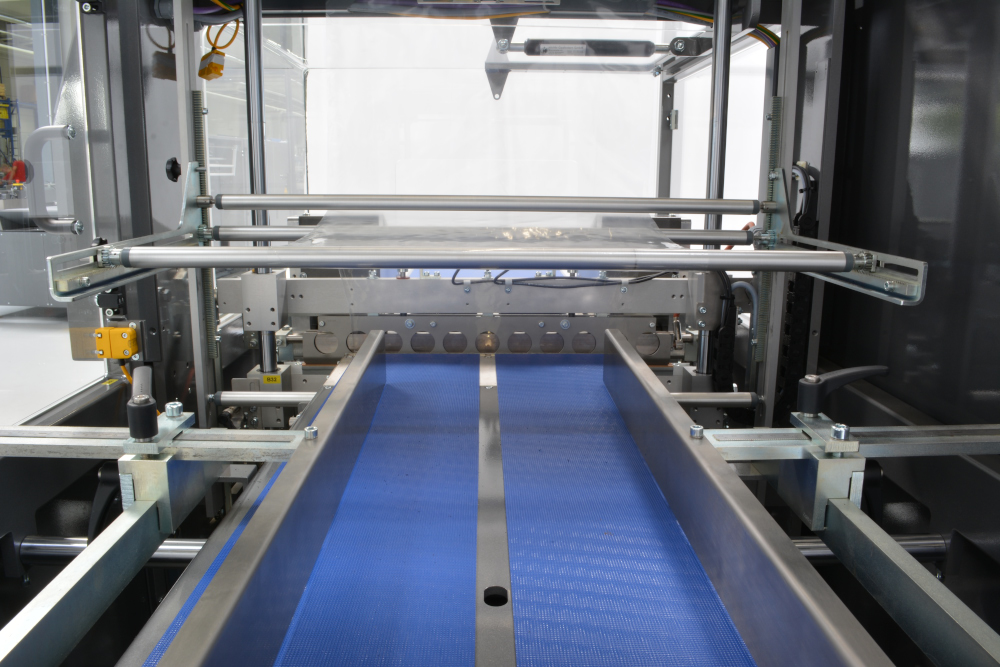
Belted conveyors deliver smooth, continuous transport across the packaging line. These packaging conveyors excel when handling stable, uniform products that maintain their position during movement. The continuous belt surface provides consistent support from infeed to discharge, making them perfect for high-speed operations.
Products like boxed goods, rigid containers, and uniformly shaped items thrive on belted systems. The smooth surface prevents product damage while maintaining steady flow rates. Manufacturers running multiple product sizes appreciate the versatility belted conveyors offer without constant adjustments.
Speed becomes a significant advantage with belted systems. They handle high throughput demands while maintaining product integrity. The continuous motion eliminates start-stop patterns that can slow production. Industries processing hundreds of units per minute rely on belted conveyors to keep pace with aggressive production schedules.
Why Do Some Products Require Lugged Infeed Conveyors?
Lugged infeed conveyors use fixed lugs or pushers that separate and position each item precisely. This mechanical spacing proves essential for products that won’t stay aligned on standard belts. Lightweight packages, irregularly shaped items, and unstable products need this positive control.
The lugs create defined spaces between products, ensuring consistent gaps for film application and sealing. This precision matters when wrapping timing must sync perfectly with sealer bars and film delivery systems. Without proper spacing, film can overlap incorrectly or leave products partially wrapped.
Bakery items, flexible pouches, and odd-shaped containers often demand lugged systems. These products tend to tip, slide, or bunch together on smooth belts. The physical barriers created by lugs prevent these issues while maintaining the rhythm required for automated shrink wrapping.
How Do Product Characteristics Influence Conveyor Selection?
Product stability stands as the primary factor when choosing between conveyor types. Rigid boxes with flat bottoms perform well on belted systems. Soft packages or items with rounded bases need the containment lugged conveyors provide.
Weight distribution also plays a critical role. Heavy products with low centers of gravity track straight on belted conveyors. Light products susceptible to air currents or vibration require positive positioning from lugs.
Surface texture affects conveyor choice too. Products with grippy bottoms maintain position on belts. Slippery packaging materials slide around without lug barriers to hold them in place.
What Operational Factors Should Influence Your Decision?
Throughput Requirements:
- Belted conveyors support higher speeds for mass production
- Lugged systems provide controlled pacing for precision operations
- Product volume dictates which system maintains efficiency
Automation Level:
- Fully automated lines benefit from lugged precision
- Semi-automatic operations gain flexibility with belted systems
- Integration with existing equipment affects compatibility
Production goals shape conveyor selection significantly. Operations prioritizing maximum output often choose belted systems. Facilities emphasizing packaging quality and consistency lean toward lugged conveyors. The degree of automation in your packaging line determines how much precision the conveyor must deliver.
Maintenance considerations matter for long-term success. Belted conveyors typically require less frequent adjustments but need regular belt replacement. Lugged systems demand periodic lug inspection but offer extended component life with proper care.
How Do Packaging Conveyor Systems Integrate with Shrink Equipment?
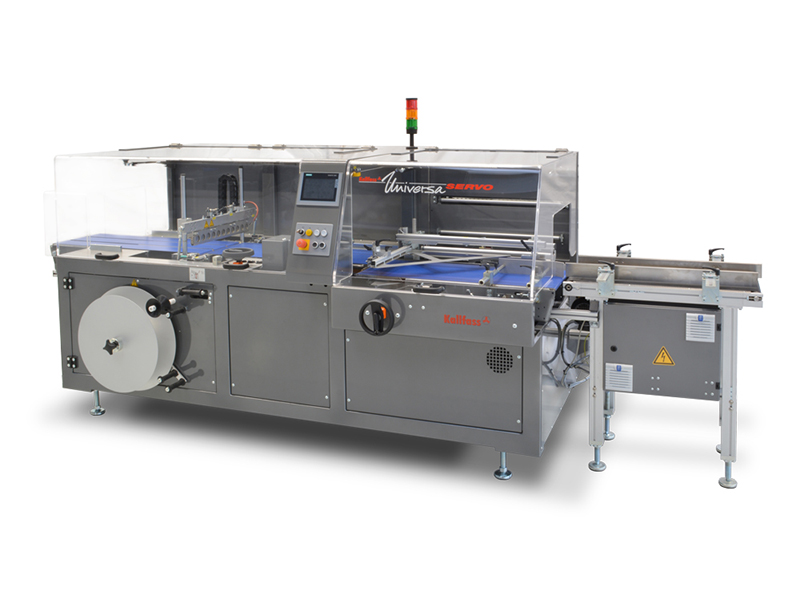
Modern packaging conveyor systems function as integrated components within complete shrink wrapping lines. The conveyor must synchronize with film delivery, sealing bars, and heat tunnel timing. Mismatched conveyor speeds create bottlenecks that reduce overall line efficiency.
Accumulation zones provide buffer space when downstream equipment cycles slower than the infeed rates. Product separation features ensure consistent spacing enters the shrink tunnel. These functions work together to maintain a steady flow without manual intervention.
Adjustable speed controls allow operators to match conveyor pace with wrapper capabilities. Variable speed drives accommodate different product sizes without mechanical changes. This flexibility maximizes equipment utilization across diverse product ranges.
Which Industries Benefit Most from Specialized Conveyor Types?
Food and beverage operations frequently deploy belted conveyors for canned goods, bottled products, and boxed items. The smooth transport protects product labels while maintaining sanitary conditions. High-volume production lines in this sector demand the speed that belted systems deliver.
Pharmaceutical and cosmetics manufacturers often select lugged conveyors for their precision needs. These industries package delicate items requiring careful handling and exact positioning. The controlled movement prevents damage to expensive products while ensuring regulatory compliance.
Retail and logistics operations handling multipacks benefit from lugged systems when creating shrink-bundled products. The precise spacing creates uniform bundles that stack efficiently. This consistency improves both warehouse storage and retail shelf presentation.
Also Read :
How Does Shrink Wrap Packaging Enhance Product Presentation and Branding?
What Safety and Sanitation Features Matter Most in Pharma Shrink Wrap Machines?
Partner with Industry-Leading Shrink Wrap Experts
At Complete Packaging Solutions & Systems Inc. / Kallfass USA, we deliver precision-engineered shrink wrap solutions that redefine packaging efficiency. Proudly serving top manufacturers in food, bakery, wood, cosmetics, pharma, and printing, we specialize in automatic shrink wrap machines, heat shrink tunnels, sleeve wrappers, and custom conveyors built for speed, uptime, and serious performance.
Our advanced systems feature cutting-edge motion control technology, seamless film versatility, no compressed air needs, and energy regeneration every cycle. We deliver up to 15% film savings and ultra-smooth packaging, even in high-output operations. With plug-and-play integration, no field programming, and local parts availability, Kallfass is the first choice for companies that demand premium industrial shrink wrapping.
Trust the name that sets the standard. Contact Complete Packaging Solutions & Systems Inc. / Kallfass USA today to upgrade your packaging line with conveyor systems engineered for performance, not compromise.