

When your shrink tunnel isn’t performing as expected, the problem often lies beneath your product—at the conveyor level. Even the most advanced heat tunnels can experience performance issues if the conveyor isn’t correctly aligned, maintained, or suited to the product type. Conveyor efficiency plays a major role in packaging consistency, product stability, and film integrity, all of which directly affect uptime and product quality.
This article explores the most common conveyor-related issues in shrink tunnels, how to troubleshoot them effectively, and why choosing the right packaging conveyor systems can prevent downtime altogether.
Why Does Conveyor Performance Matter in Shrink Wrapping?
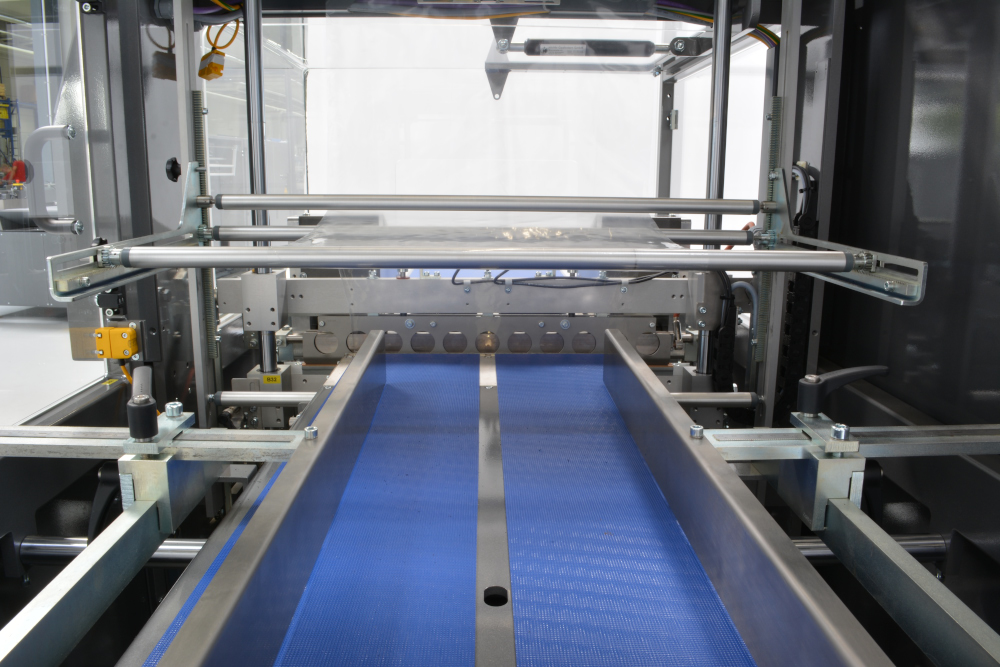
In a shrink-wrapping operation, the conveyor acts as the system’s backbone. It moves products through key stages—film application, sealing, and tunnel heat exposure.
If the conveyor operates unevenly or inconsistently, it can lead to misaligned seals, film wrinkles, or even damaged products.
A shrink wrap conveyor that’s properly engineered ensures steady movement, precise product spacing, and smooth transitions between sealing and shrinking. That’s critical for manufacturers handling high volumes, fragile products, or varying package sizes.
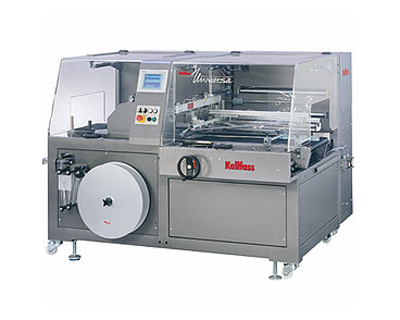
At Complete Packaging Solutions & Systems Inc. / Kallfass USA, every conveyor integrates seamlessly with shrink tunnels to maintain perfect registration and consistent heat distribution. These conveyors are not afterthoughts—they’re precision-built components of a complete, automated packaging line.
What Are the Most Common Conveyor Issues in Shrink Tunnels?
Even the most robust conveyor systems encounter performance hiccups over time. Understanding these common problems helps you fix them before they disrupt production.
1. Uneven Product Spacing
Incorrect spacing between items can lead to poor seal quality or overlapping film.
This issue often stems from inconsistent infeed rates, worn belts, or misaligned sensors. A product entering the tunnel too closely to the next can trap heat, resulting in uneven shrinkage or melted film.
How to fix it:
- Calibrate sensors regularly to maintain consistent spacing.
- Use adjustable guides and synchronized drives for uniform infeed timing.
- Inspect belts and chains for wear that can cause slippage.
2. Belt Tracking and Alignment Problems
A misaligned packing belt conveyor can shift products or cause them to collide during transit. Over time, belts stretch or drift from their intended track, causing friction, heat spots, or mechanical wear on bearings.
How to fix it:
- Check belt tension and pulley alignment routinely.
- Clean rollers and conveyor surfaces to prevent debris buildup.
- Install belt tracking sensors or auto-centering systems for precision.
3. Overheating or Tunnel Bottlenecks
When a conveyor inside the tunnel moves at inconsistent speeds or stops unexpectedly, heat exposure becomes uneven. This can warp shrink film, overheat packaging, or burn lightweight products.
Bottlenecks also occur when conveyors upstream or downstream operate at mismatched speeds.
How to fix it:
- Match the conveyor speed to the tunnel’s temperature profile.
- Ensure drives and motors use variable frequency controls for smooth acceleration.
- Synchronize speed settings across the entire line.
4. Contamination and Debris Build-Up
Conveyors in shrink tunnels often encounter packaging residue, dust, or melted film fragments. Over time, buildup can cause friction, disrupt movement, or degrade belt material.
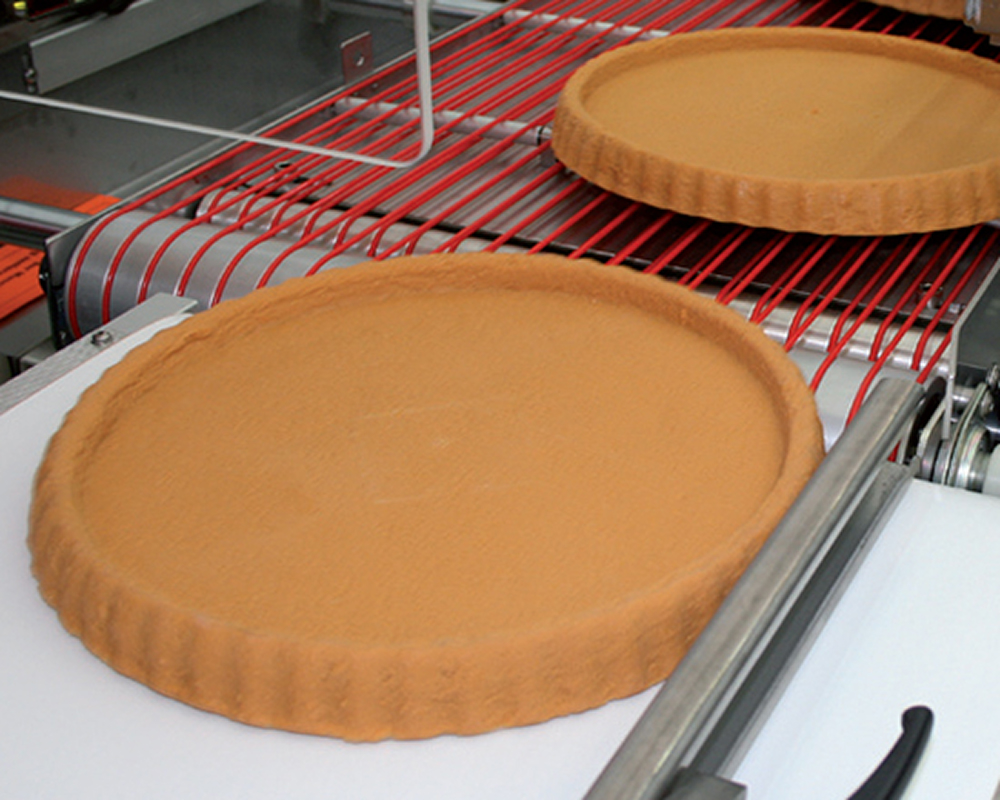
This is especially common in food or bakery operations where crumbs and oils accumulate quickly.
How to fix it:
- Choose stainless-steel packaging conveyor systems designed for easy washdown and sanitation.
- Implement a daily cleaning schedule.
- Inspect for contamination that might affect traction or motor performance.
5. Improper Material Selection
Not every conveyor surface suits every product. Lightweight plastic containers might slip on a steel mesh belt, while heavier wood or cardboard items might require greater traction and support. Using the wrong belt material can reduce friction control and film accuracy.
How to fix it:
- Select conveyor materials that complement product stability and temperature resistance.
- For mixed product lines, modular conveyors allow quick swaps without full system replacement.
- Consult your equipment provider to match belt type to application.
How Can Product Characteristics Affect Conveyor Choice?
Different products behave differently under shrink-wrap conditions. Shape, size, and weight distribution determine how smoothly they travel across a conveyor.
A stable, flat-bottomed carton will perform well on a smooth belted surface, while an irregular or round product may need a lugged or chain-based system for stability.
Below are key considerations when selecting conveyors for shrink tunnels:
- Product Shape and Stability: Flat items can use continuous belts; unstable items benefit from lugged or spaced conveyors.
- Weight: Heavier products require rigid supports and high-torque drives.
- Film Type: Thicker or specialty films need precise temperature control, so uniform motion is essential.
- Speed and Throughput: High-speed lines benefit from servo-controlled conveyors that maintain consistent acceleration.
A properly matched conveyor ensures products remain centered and aligned throughout wrapping and shrinking, minimizing film waste and defects.
What Preventive Maintenance Practices Extend Conveyor Life?
Proactive maintenance is the best defense against unexpected downtime. Even small misalignments can lead to long-term inefficiencies if left unaddressed.
Routine maintenance checklist:
- Inspect and lubricate drive components weekly.
- Monitor motor temperatures and vibration levels.
- Replace worn belts, bearings, and rollers before failure.
- Calibrate variable speed drives quarterly.
- Keep spare parts, such as tensioners and rollers, on-site for fast replacement.
With a preventive plan in place, operators can reduce stoppages, lower repair costs, and extend overall conveyor lifespan.
How Do Modern Conveyor Systems Solve Legacy Issues?
Modern packaging conveyor systems incorporate automation and precision controls that eliminate many legacy challenges. Servo motion control ensures accurate positioning, while variable frequency drives maintain consistent speed regardless of product weight or size.
New designs also emphasize energy efficiency and ease of maintenance. Complete Packaging Solutions & Systems Inc. / Kallfass USA includes energy regeneration during each cycle and no compressed air requirements—reducing operational costs while enhancing performance reliability.
Additionally, these conveyors are built for plug-and-play integration. There’s no need for field programming, and film changes require minimal adjustments, ensuring continuous production with minimal downtime.
What Role Does Integration Play in Reducing Conveyor Issues?
Integration is crucial. A conveyor that’s mismatched to its upstream or downstream equipment often causes operational inefficiencies. When conveyors, sealers, and tunnels operate as one synchronized system, product flow remains smooth, and performance issues are minimized.
Each packing conveyor from Kallfass USA is designed to integrate directly with automatic shrink-wrap machines, sleeve wrappers, and heat tunnels. Adjustable speeds, precise spacing, and servo-controlled synchronization ensure that every product exits the tunnel with a consistent film finish and tight seals.
What Are the Key Benefits of a High-Performance Conveyor in Shrink Tunnels?
Choosing an advanced shrink wrap conveyor offers measurable benefits beyond uptime. It impacts product presentation, packaging uniformity, and even material efficiency.
Benefits include:
- Consistent heat exposure and shrink quality across product batches
- Reduced film waste with precise spacing and temperature control
- Smoother transfers that prevent tipping or misalignment
- Simplified maintenance and cleaning
- Long-term durability with minimal component wear
These improvements lead to faster throughput, fewer rejects, and better long-term ROI—particularly in demanding industries like food, bakery, cosmetics, and pharmaceuticals.
Also Read :
How Does Shrink Wrapping Process Flow Operate?
Which Shrink Tunnel Conveyor Type Fits Specific Products?
Why Choose Complete Packaging Solutions & Systems Inc. / Kallfass USA?
At Complete Packaging Solutions & Systems Inc. / Kallfass USA, conveyor design is not a secondary consideration—it’s central to the company’s automation philosophy. Their engineering approach ensures each conveyor operates with precision, energy efficiency, and maximum uptime.
Their packaging conveyor systems are built to handle everything from delicate cosmetic containers to heavy industrial bundles with seamless transitions between machines. With servo motion control, energy regeneration, and universal film compatibility, Kallfass conveyors deliver reliability with over 98.5% uptime—without compressed air, complex programming, or film limitations.
The result: smoother operations, better product quality, and long-term savings through reduced film usage (up to 15% material savings). That’s why major manufacturers and contract packagers rely on Kallfass for performance-driven packaging automation.
Ready to Eliminate Conveyor Downtime?
Your packaging line is only as strong as its conveyor system. Whether you’re battling spacing errors, film defects, or bottlenecks, modern conveyor designs can resolve these challenges and future-proof your operation. Contact Complete Packaging Solutions & Systems Inc. / Kallfass USA today to discuss custom conveyor integrations, shrink tunnel upgrades, or full packaging automation systems engineered for speed, uptime, and reliability. Your products deserve precision movement—and your business deserves maximum efficiency.