
How to Improve Packaging Line Efficiency With Shrink Wrap Machines
Manufacturing operations constantly seek ways to boost productivity while controlling costs. Packaging lines often become bottlenecks that slow entire production schedules. The right equipment transforms these challenges into competitive advantages.
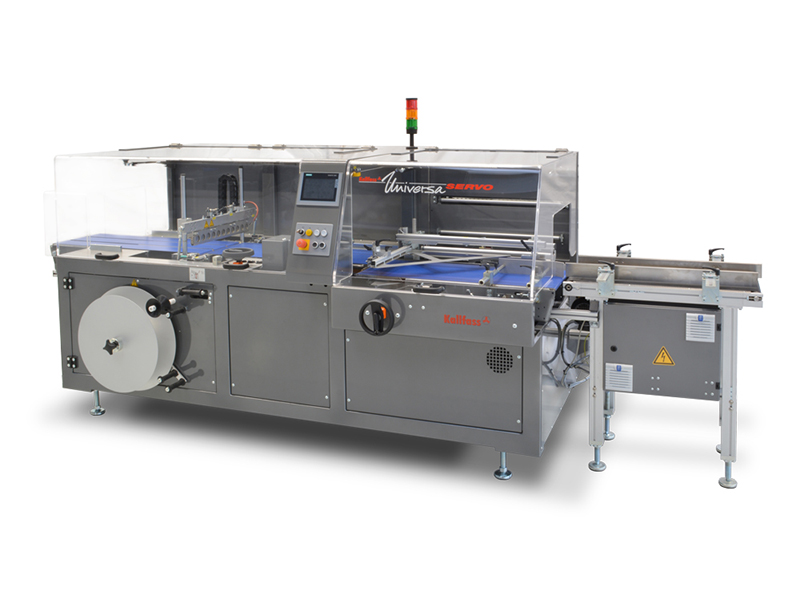
Modern shrink wrap technology offers solutions that go beyond simple product protection. Advanced systems deliver measurable improvements in speed, material usage, and labor allocation. Understanding how these machines enhance operational efficiency helps manufacturers make informed investment decisions.
What Makes Shrink Wrap Machines Essential for Production Lines?
Shrink wrap machines automate repetitive packaging tasks that consume valuable labor hours. Manual wrapping requires multiple workers and produces inconsistent results. Automated systems standardize output while freeing employees for higher-value activities.
Industrial shrink wrapping equipment handles diverse product sizes without complex changeovers. Motion control technology adjusts sealing parameters automatically based on package dimensions. This flexibility eliminates downtime between production runs and reduces setup complexity.
Energy efficiency represents another critical advantage. Modern machines incorporate regeneration systems that recapture and reuse power during operation. Some advanced models eliminate compressed air requirements entirely, cutting utility costs substantially.
How Do Affordable Automatic Shrink Wrap Machines Reduce Operating Costs?
Cost-effective automation doesn’t require sacrificing quality or performance. Affordable automatic shrink wrap machines deliver enterprise-grade capabilities at accessible price points. These systems achieve 98.5%+ uptime even during multi-shift operations.
Material savings significantly impact bottom-line results. Advanced film handling reduces waste by 10-15% compared to conventional systems. Machines run all film types equally well, from light polyolefin to heavy polyethylene. This versatility lets manufacturers choose materials based on protection needs rather than equipment limitations.
Labor reduction compounds these savings over time. A single operator monitors multiple machines simultaneously. Automated feeding, sealing, and shrinking require minimal human intervention. Companies reassign workers to quality control, maintenance, or other production-critical roles.
Key Financial Benefits:
- Lower material costs through optimized film usage
- Reduced labor expenses via automation
- Decreased energy consumption with regeneration technology
- Minimal maintenance requirements and extended equipment lifespan
Which Features Maximize Packaging Speed and Throughput?
Processing speed directly affects daily output capacity. Continuous motion side sealers handle over 100 packages per minute without interruption. This throughput matches high-volume production demands across food, pharmaceutical, and consumer goods sectors.
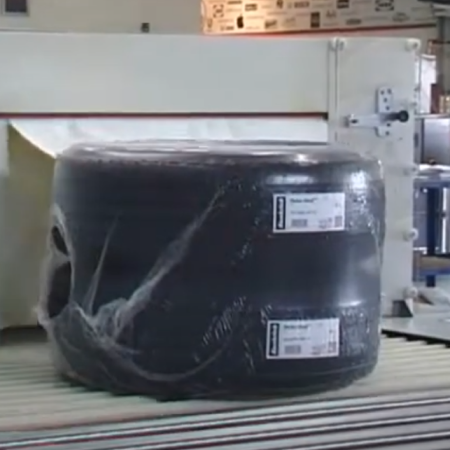
Intermittent motion systems provide flexibility for varying package lengths. These machines accommodate products from compact cosmetics to oversized furniture components. The ability to handle diverse dimensions without retooling keeps production flowing smoothly.
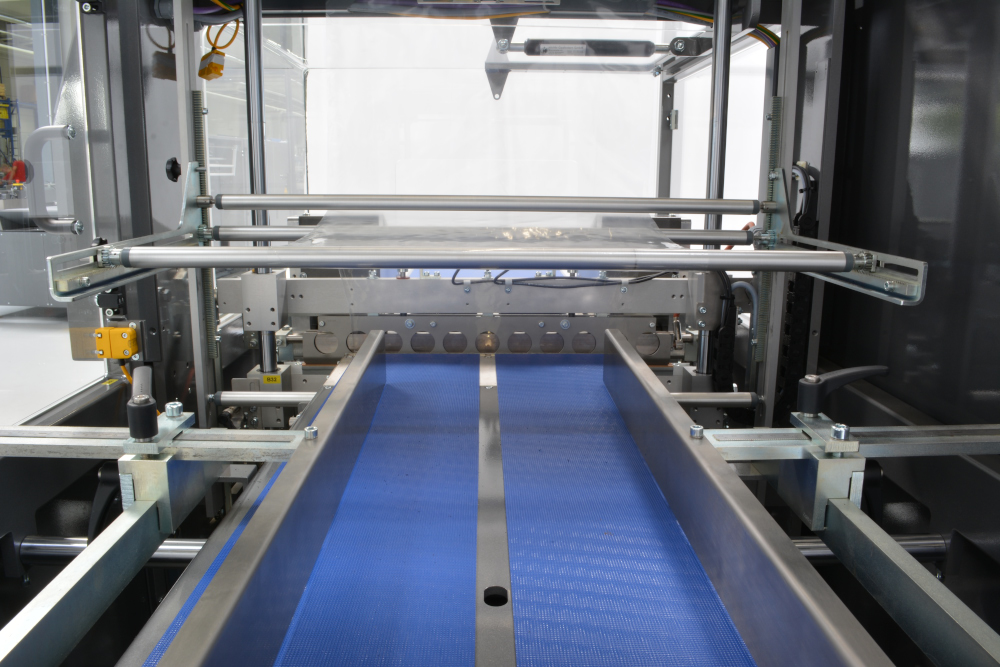
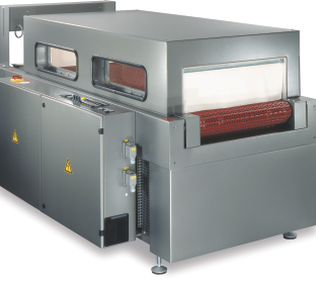
Heat shrink tunnels complete the packaging process with precise temperature control. Consistent shrinkage ensures professional presentation and secure product protection. Integrated conveyors maintain steady flow from sealing through final packaging stages.
Film switching requires no programming or technical expertise. Operators change materials in minutes using simple mechanical adjustments. This ease of use prevents production delays and reduces training requirements.
Can Shrink Wrap Technology Support Sustainable Packaging Goals?
Environmental responsibility increasingly influences purchasing decisions and regulatory compliance. Modern shrink wrap machines support sustainability initiatives through multiple mechanisms.
Reduced material consumption directly decreases packaging waste. Precise film application eliminates excess wrapping while maintaining product protection. Lower material usage translates to fewer raw resources consumed and less disposal required.
Compatibility with biodegradable and recyclable films addresses circular economy objectives. Machines process eco-friendly materials without performance compromises. Companies maintain packaging quality while meeting environmental commitments.
Energy-efficient operation reduces carbon footprints. Regenerative systems and optimized heating cycles minimize power consumption. These improvements contribute to corporate sustainability reporting and regulatory compliance.
What Reliability Standards Should Manufacturers Expect?
Equipment uptime determines actual production capacity regardless of theoretical specifications. Systems achieving 98.5%+ availability ensure consistent output meeting delivery commitments.
German engineering standards emphasize durability and precision. Over 50 years of manufacturing expertise informs design decisions prioritizing longevity over initial cost. Quality components withstand demanding production environments and multi-shift operations.
Preventative maintenance programs extend equipment life and prevent unexpected failures. Regular service identifies wear before breakdowns occur. Technical support provides rapid troubleshooting when issues arise.
Reliability Indicators:
- Proven track record across diverse industries
- ISO 9001 certified quality management
- Comprehensive spare parts availability
- On-site and remote technical support
How Does Equipment Integration Enhance Overall Efficiency?
Packaging lines function as interconnected systems rather than isolated machines. Seamless integration between shrink wrappers, tunnels, and conveyors optimizes workflow and eliminates transfer bottlenecks.
No spacing issues between packages maintains continuous flow. Products enter and exit equipment without gaps or collisions. This consistent movement maximizes throughput and prevents damage.
Customizable configurations adapt to existing production layouts. Machines integrate into current operations without requiring facility modifications. This flexibility reduces implementation costs and timeline.
Cross-industry applications demonstrate versatility. The same core technology serves food processing, pharmaceutical manufacturing, and industrial packaging. Shared platforms reduce training complexity and support requirements.
Also Read :
How Do Shrink Wrap Machines Improve Warehouse Safety and Efficiency?
How Do You Choose Between Retro-Fitting Or Buying A New Shrink-Wrap Machine?
Ready to Transform Your Packaging Operations?
Complete Packaging Solutions & Systems Inc. / Kallfass USA delivers affordable automatic shrink wrap machines that prioritize performance over compromise. Our proven systems combine German engineering with practical American service. Contact our team today to discuss how automatic shrink wrapping technology can improve your packaging line efficiency and reduce operational costs.